
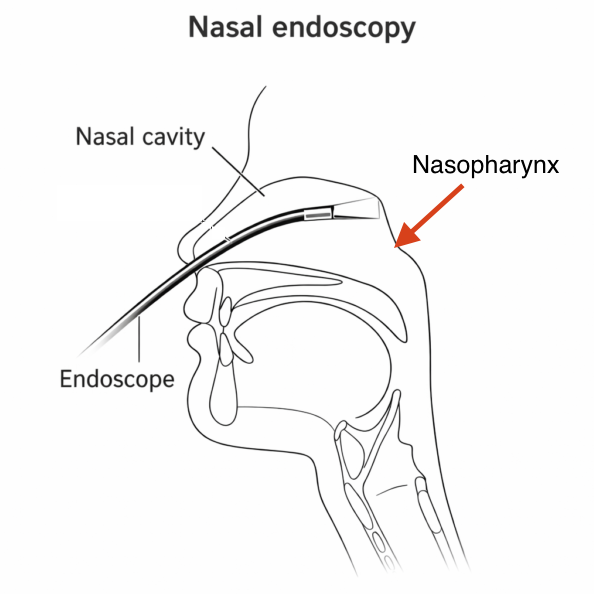
Nasopharyngeal cancer (NPC) is sometimes loosely called nose cancer, but it does not start in the visible nose.
It arises from the nasopharynx — a hidden space located behind the nose and above the throat.
Because this area cannot be properly examined during a routine clinic visit, early NPC is often silent and easily missed. Many patients only seek help when symptoms become obvious. By then, the disease may already be advanced.
This is why targeted screening, especially in high-risk individuals, is so important in Malaysia and Southeast Asia.
Why Nasopharyngeal Cancer Matters in Our Region
Nasopharyngeal cancer is uncommon worldwide, but it occurs more frequently in:
- Southeast Asia
- Southern China
- Parts of North Africa
Malaysia is considered a moderate- to high-incidence region. Unlike many other head and neck cancers, NPC:
- Can occur in younger patients
- Is often associated with Epstein–Barr virus (EBV)
- May present with non-specific symptoms
Early detection significantly improves outcomes. Screening is therefore focused on people most likely to benefit.
Who Should Consider Screening for Nasopharyngeal Cancer?

NPC screening is risk-based, not routine for everyone.
1. People with Persistent or Red-Flag Symptoms
If symptoms last more than 2–3 weeks, screening should be considered.
Common warning signs include:
- Painless neck lumps, often the first presentation
- One-sided blocked nose
- Recurrent nosebleeds or blood-stained mucus
- Hearing loss, ear blockage, or ringing in one ear
- Adult-onset middle ear fluid, especially affecting one side
- Persistent headache, facial numbness, or visual changes (later signs)
One-sided symptoms are particularly concerning.
2. Higher-Risk Individuals
You may benefit from screening even with mild or no symptoms if you have:
- A first-degree family history of nasopharyngeal cancer
- Prior abnormal EBV screening tests
- Background from a high-incidence population
Screening in these groups aims to detect disease before symptoms become obvious.
What Happens During an ENT Visit for NPC Screening?
Many patients worry about discomfort or complex tests.
In reality, most ENT screening visits are structured, efficient, and reassuring.
Step 1: Focused Medical History
Your ENT doctor will ask questions that help identify risk patterns:
- How long symptoms have been present
- Whether symptoms are one-sided
- History of neck lumps
- Family history of NPC
- Smoking or occupational exposure
- Previous EBV blood test results (if any)
The pattern matters more than any single symptom.
Step 2: Head and Neck Examination
A thorough examination includes:
- Palpation of neck lymph nodes
- Examination of the ears (looking for adult middle ear fluid)
- Nasal examination
- Inspection of the mouth and throat
This step helps identify indirect signs of nasopharyngeal obstruction.
Step 3: Nasopharyngoscopy (The Key Screening Test)
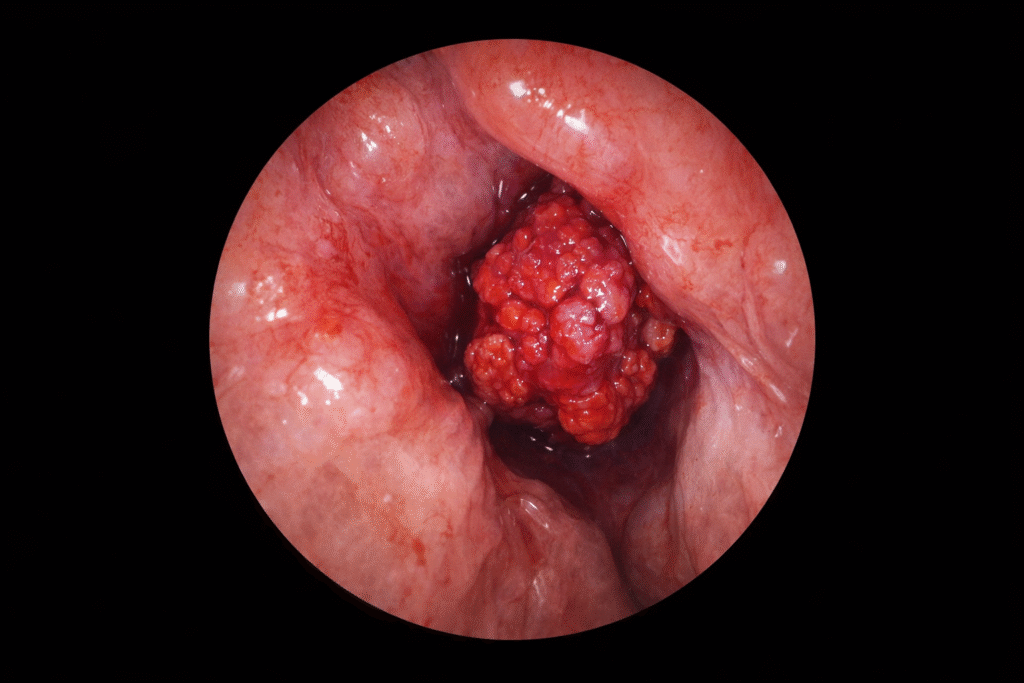
This is the cornerstone of NPC screening.
What is nasopharyngoscopy?
- A thin, flexible camera passed gently through the nose
- Allows direct visualisation of the nasopharynx
What patients often worry about
- Pain
- Gagging
- Bleeding
What usually happens
- Local anaesthetic spray is applied
- Mild discomfort or pressure only
- Procedure lasts 1–2 minutes
- No sedation required
- You can breathe and talk normally
Most patients return to work or normal activities immediately.
Many early NPC lesions are small and subtle. They cannot be detected without this examination.
Step 4: If an Abnormality Is Found
Depending on findings, further tests may be arranged:
- Targeted nasopharyngeal biopsy
- Imaging such as MRI or CT scan
- Blood tests, including EBV markers
Not every patient needs all investigations. Testing is tailored based on clinical findings.
How Often Should Nasopharyngeal Cancer Screening Be Done?
There is no single schedule suitable for everyone.
In practice:
- Average risk, no symptoms→ Routine screening not required
- Higher-risk individuals (family history, abnormal EBV tests)→ Screening every 1–2 years may be advised
- Persistent symptoms or previous abnormal findings→ Shorter follow-up intervals, determined by the ENT doctor
Screening frequency is individualised. It should balance risk, symptoms, and findings.
The Role of Epstein–Barr Virus (EBV) in Nasopharyngeal Cancer
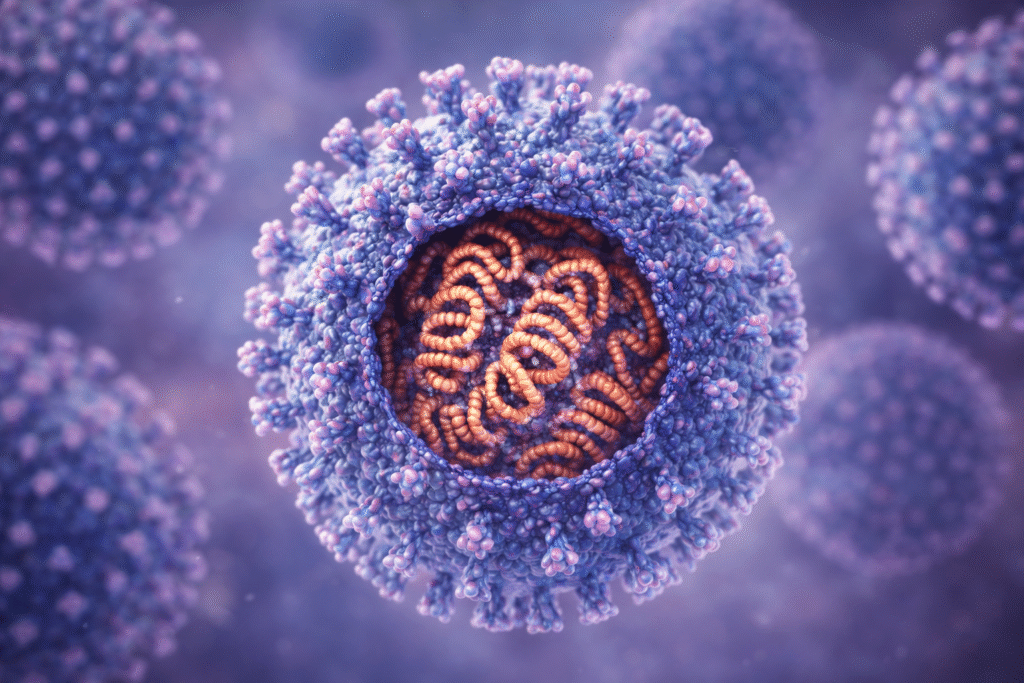
EBV plays a central role in the development of nasopharyngeal cancer, particularly in endemic regions.
However, not all EBV tests mean the same thing.
An Important Clarification
Most adults have been infected with EBV at some point in life.
A simple “EBV positive” result for past infection does not mean a high cancer risk.
NPC screening relies on specific EBV markers, not routine infection tests.
EBV Tests Commonly Used in NPC Screening
1. EBV Antibody Tests (Serology)
Markers often studied in NPC risk assessment include:
- VCA IgA
- EA IgA
Persistent elevation or rising titres may indicate increased risk and warrant ENT evaluation.
2. Plasma EBV DNA (PCR Test)
This test measures circulating EBV DNA in the blood.
It is:
- More specific for NPC-related activity
- Useful for screening high-risk populations
- Used in post-treatment surveillance
Large population studies have shown plasma EBV DNA screening can detect NPC at earlier stages.
How Much Does EBV Positivity Increase NPC Risk?
The level of risk depends on which EBV markers are positive.
Data from regional and international studies show:
- Individuals with combined abnormal EBV markers (for example, elevated VCA IgA together with anti-EBV DNA antibodies) had a relative risk of approximately 30-fold compared with those without markers
- Those with a single abnormal marker had a lower but still increased risk (around 4-fold)
These figures explain why EBV screening is useful — when interpreted correctly and combined with ENT examination.
EBV testing helps identify who needs closer endoscopic surveillance.
It does not diagnose cancer on its own.
Is Epstein–Barr Virus Treatable?
In most people, EBV infection is self-limiting.
- There is no specific antiviral treatment to eliminate EBV
- Management is supportive (rest, hydration, symptom control)
- EBV can remain dormant in the body and may reactivate
Treatment is directed at conditions associated with EBV, not the virus itself.
Is EBV Contagious? How Is It Transmitted?
Yes, EBV is contagious.
It is transmitted mainly through saliva, including:
- Kissing
- Sharing drinks or eating utensils
- Sharing toothbrushes
- Exposure to saliva in young children
Most people are exposed to EBV early in life. Only a very small proportion develop EBV-associated cancers.
What EBV Screening Can and Cannot Do
EBV screening can:
- Identify individuals at higher risk
- Help guide screening frequency
- Support decisions for closer ENT follow-up
EBV screening cannot:
- Diagnose nasopharyngeal cancer alone
- Replace nasopharyngoscopy
- Guarantee cancer will not occur if results are normal
EBV testing is a complementary tool, not a replacement for clinical evaluation.
Frequently Asked Questions (FAQ)
What is nasopharyngeal cancer (NPC)?
Nasopharyngeal cancer is a cancer that starts in the nasopharynx, the space behind the nose and above the throat. This area cannot be seen easily without specialised ENT equipment.
Is nasopharyngeal cancer the same as nose cancer?
Not exactly. NPC does not start in the visible nose. It arises deeper, behind the nasal cavity, which is why early disease is often missed without nasal endoscopy.
Who should consider screening for nasopharyngeal cancer?
Screening is usually recommended for people with persistent symptoms such as a painless neck lump, one-sided blocked nose, recurrent nosebleeds, or one-sided hearing loss. It may also be advised for individuals with a strong family history of NPC or abnormal EBV screening results.
What are early warning signs of nasopharyngeal cancer?
Early symptoms can be subtle. Common warning signs include painless neck lumps, blocked nose on one side, blood-stained nasal mucus, adult-onset ear blockage or hearing loss on one side, and recurrent middle ear fluid.
How long should symptoms last before seeing an ENT doctor?
If symptoms persist for more than 2–3 weeks, especially if they are one-sided or unexplained, an ENT evaluation is recommended.
What happens during an ENT visit for NPC screening?
An ENT visit usually includes a focused medical history, examination of the head and neck, ear examination, and nasal endoscopy (nasopharyngoscopy). This allows direct visualisation of the nasopharynx.
Is nasopharyngoscopy painful or dangerous?
Nasopharyngoscopy is generally safe and well tolerated. Local anaesthetic spray is often used. Most patients experience mild discomfort or pressure that lasts only a short time.
How long does the nasal scope procedure take?
The nasopharyngoscopy itself usually takes 1–2 minutes. The entire consultation typically lasts 15–30 minutes, depending on findings.
Will I need a biopsy during my first visit?
Not everyone needs a biopsy. A biopsy is only done if the ENT doctor sees a suspicious area during endoscopy or imaging.
How often should nasopharyngeal cancer screening be done?
Screening frequency depends on risk level. Average-risk individuals usually do not need routine screening. Higher-risk patients may be advised to undergo ENT review every 1–2 years, or sooner if symptoms develop.
What is EBV and how is it related to NPC?
Epstein–Barr virus (EBV) is strongly associated with nasopharyngeal cancer, especially in Southeast Asia. Certain EBV blood tests help identify individuals at higher risk but do not diagnose cancer on their own.
Does being EBV positive mean I have cancer?
No. Most adults have been exposed to EBV. Only specific EBV markers used in NPC screening indicate increased risk. EBV results must be interpreted together with ENT examination findings.
Can EBV infection be treated?
There is no specific treatment to eliminate EBV. In most people, EBV infection is mild and self-limiting. Treatment focuses on managing symptoms if present.
Is EBV contagious?
Yes. EBV is spread mainly through saliva, such as through kissing or sharing drinks and utensils.
Can EBV screening replace ENT nasal endoscopy?
No. EBV screening is a supportive tool. Nasal endoscopy remains the most important test for evaluating the nasopharynx.
What should I do if my screening tests are normal but symptoms persist?
If symptoms continue despite normal initial tests, follow-up with your ENT doctor is important. Persistent or worsening symptoms may require repeat evaluation.
References
- Chan KCA et al. Plasma Epstein–Barr virus DNA analysis for screening of nasopharyngeal carcinoma. New England Journal of Medicine. 2017.
- Cao S-M et al. EBV antibody levels and long-term risk of nasopharyngeal carcinoma. PLOS ONE. 2011.
- Ministry of Health Malaysia. Health Technology Assessment: EBV markers and NPC risk prediction.
- Centers for Disease Control and Prevention (CDC). Epstein–Barr virus overview.
- Cleveland Clinic. Epstein–Barr virus: transmission and management.
- NCBI Bookshelf (StatPearls). Epstein–Barr Virus.
If you’re worried about nasopharyngeal cancer (NPC) or you’ve had symptoms like a painless neck lump, one-sided blocked nose, recurrent nosebleeds, or one-sided ear blockage/hearing loss for more than 2–3 weeks, the best next step is to see an ENT specialist for a proper check because this area can’t be assessed well in a routine visit.
Book an ENT appointment to get a focused evaluation and a quick nasopharyngoscopy (nasal scope) if needed, so you can get a clear answer early and only do EBV tests, scans, or biopsy when it’s truly necessary.
To learn more about Nose related services , visit our nose specialist clinic
Comments are closed