

Can We Take a Shower After an ENT Surgery?
Waking up from an Ear, Nose, and Throat (ENT) surgery can be a disorienting experience. Between the anesthesia wearing off and the unfamiliar bandages, you are likely focused on one primary goal: getting back to normal. For many of us, that starts with washing off the lingering “hospital smell.”
But before you turn on the faucets, you need to pause. ENT surgeries involve highly sensitive areas of the body. Introducing water or steam too early can disrupt your healing process or increase swelling.
So, can you take a shower after an ENT surgery? The short answer is yes, but with some strict modifications. Because “ENT surgery” is a broad umbrella that covers everything from a routine tonsillectomy to complex ear reconstruction, the rules change depending on your procedure.
The Universal Rule: The 24 to 48-Hour Waiting Period
Regardless of the specific procedure you underwent, almost all surgeons agree on one universal baseline:keep the wound away from showers for the first 24 to 48 hours. Why is this waiting period so critical? During the first two days post-operation, your body is working in overdrive to form blood clots, seal off incisions, and begin the preliminary stages of tissue repair. Furthermore, the residual effects of general anesthesia or heavy prescription pain medications can leave you feeling groggy, dizzy, or unsteady on your feet. Bathrooms are notoriously slippery environments, and the last thing you want is to experience a fall while your body is vulnerable.
If you feel grimy during those first two days, a simple sponge bath utilizing warm (not hot) water and a mild, unscented soap is your safest option. Keep the sponge well away from your surgical site. If you want to read more about setting up your home for a safe recovery, check out our guide on how to prepare for your ENT surgery (Note: Replace this internal link placeholder with your actual URL).
Nasal Surgeries: Rhinoplasty, Septoplasty, and Sinus Surgery
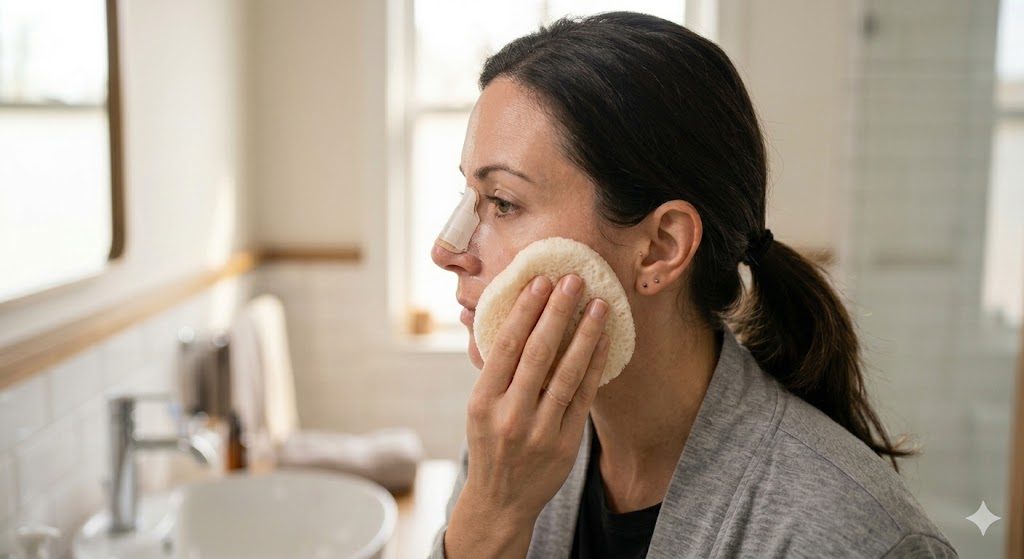
Surgeries involving the nose and sinuses are notorious for post-operative swelling and bleeding. Early complications of procedures like rhinoseptoplasty frequently include severe edema (swelling) and localized bleeding, making careful postoperative care an absolute necessity (Nocini et al., 2023).
When it comes to showering after nasal surgery, water is only half the battle; the real enemy is steam.
To read more about the nose and sinus, read here
The Danger of Heat and Steam
Hot showers generate steam, which is excellent for relaxing muscles but terrible for a healing nose. Heat acts as a vasodilator, meaning it causes your blood vessels to widen. In a newly operated nose, widened blood vessels can quickly lead to increased swelling, painful throbbing, and severe nosebleeds (epistaxis). For the first two weeks, all showers must be lukewarm.
Keeping Splints and Incisions Dry
If you underwent a rhinoplasty or septoplasty, you will likely leave the hospital with an external cast or splint taped to your nose, and potentially packing inside your nostrils. These must remain completely dry. If a cast gets wet, it can loosen, shifting the carefully reconstructed cartilage beneath it.
Furthermore, if you had an open rhinoplasty, you will have a small incision at the base of your nose (the columella). Immediate and meticulous post-operative wound care in this specific area is essential to ensure a proper esthetic outcome and prevent scar notching (In et al., 2020). Water exposure can cause wound maceration (where the skin becomes soft and soggy), which drastically increases the risk of bacterial infection and poor scarring.
Your Nasal Surgery Showering Checklist:
- Wait at least 48 hours before doing a full-body shower.
- Wash only from the neck down.
- Keep the water temperature strictly lukewarm.
- Leave the bathroom door open to prevent steam buildup.
- Wash your face using a damp cloth, carefully avoiding the cast, splints, and the immediate surgical area.
- For more detailed instructions on nasal care, review the Cleveland Clinic’s rhinoplasty care recommendations.
Ear Surgeries: Tympanoplasty, Mastoidectomy, and Ear Tubes
If you have undergone ear surgery, your showering rules are generally the strictest. The structures of the middle and inner ear are incredibly sensitive. Surgeries like a tympanoplasty (repairing a hole in the eardrum) or stapedectomy (replacing a small bone in the middle ear) temporarily remove the natural barriers that protect your inner ear from the outside world.
The “No Water” Mandate
Introducing unsterile tap water into a healing ear canal can transport bacteria directly into the middle ear space, causing severe infections that could compromise your surgical results and your hearing.
For some major ear operations, the need to keep water out isn’t just a temporary recovery rule. For instance, patients who undergo a canal-wall-down mastoidectomy to treat chronic middle ear disease or cholesteatoma often have an altered ear anatomy. These patients must actively prevent water exposure and wear high-quality earplugs in the shower or when swimming for the rest of their lives to prevent complications (Sajjadi, 2017).
How to Shower Safely After Ear Surgery
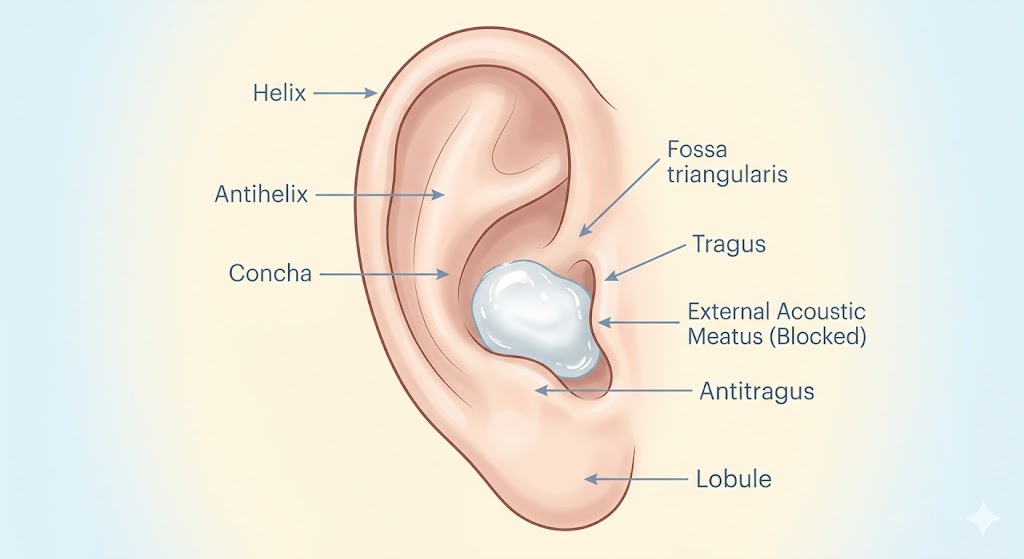
Most ENT surgeons will permit you to shower your body after 24 to 48 hours, but you must aggressively protect the operated ear.
The Cotton Ball Technique:
- Take a clean, dry cotton ball.
- Coat the outside of the cotton ball heavily with petroleum jelly (Vaseline) or a prescribed antibiotic ointment.
- Place the coated cotton ball gently into the outer bowl of your ear (the concha). Do not push it deep into the ear canal. The jelly acts as a hydrophobic barrier, repelling water droplets.
- If you need to wash your hair, have someone assist you. Lean your head back into the sink (like at a hair salon) rather than standing under the showerhead.
- After the shower, gently remove and discard the cotton ball. Wipe the outer ear with a clean towel.
If you require ongoing assistance during your healing phase, explore our post-operative care services (Note: Replace this internal link placeholder with your actual URL) to see how we can support your recovery journey.
Throat and Neck Surgeries: Tonsillectomy, Adenoidectomy, and Thyroidectomy
When it comes to throat surgeries, the surgical site is completely internal. You don’t have to worry about getting a cast wet or protecting an ear canal. However, the rule regarding heat and steam applies just as strongly here as it does to nasal surgeries.
To read more about the throat, click here
The Bleeding Risk in Throat Surgeries
A tonsillectomy leaves two large, open scabs at the back of the throat. The primary and most dangerous complication following a tonsillectomy is a secondary hemorrhage (bleeding), which most commonly occurs between days 5 and 10 of recovery.
Taking a hot, steamy shower raises your core body temperature and blood pressure, while simultaneously dilating your blood vessels. This combination can prematurely dislodge the scabs in your throat, triggering a bleeding event. For an in-depth look at what to expect, read the tonsillectomy recovery guidelines provided by the Mayo Clinic.
Neck Incisions
If you underwent a thyroidectomy or a neck mass removal, you will have an external incision on your neck. Typically, surgeons use surgical glue (Dermabond), steri-strips, or sutures to close this wound. You will generally be instructed to keep this incision completely dry for the first 48 hours. After that, you may allow soapy water to run over the incision gently, but you must never actively scrub it.
Your Throat/Neck Surgery Showering Checklist:
- Take lukewarm, brief showers.
- Avoid forcefully clearing your throat or coughing while in the shower.
- For neck incisions, let water gently cascade over the area without applying direct showerhead pressure.
- Pat the neck dry with a clean towel—never rub.
Step-by-Step Guide to Your First Post-Op Shower
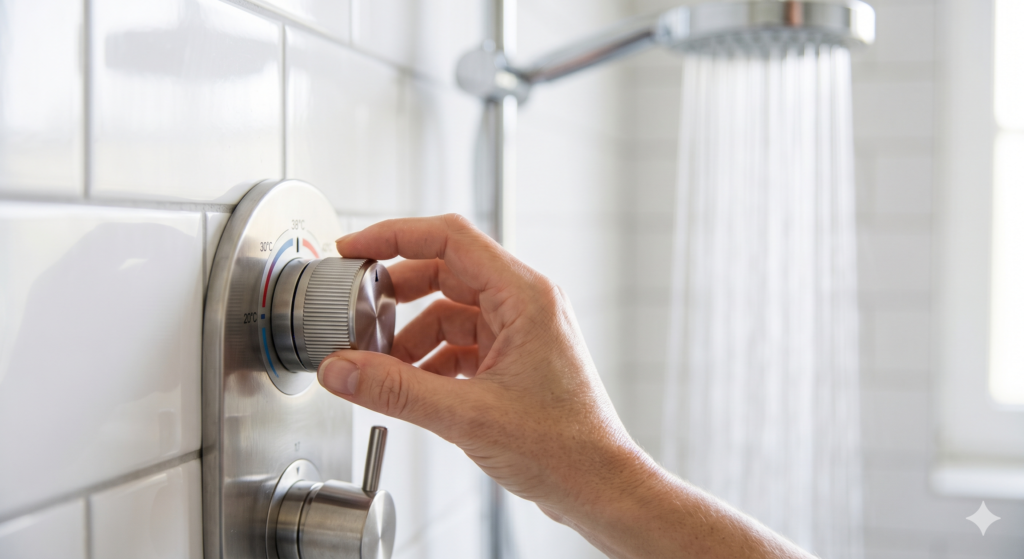
Ready to finally get clean? Follow these steps to ensure your first post-surgery shower is safe, hygienic, and stress-free.
1. Prepare Your Environment
Before you even undress, make sure everything you need is within arm’s reach. Gather your mild soap, a clean towel, fresh clothes, and your petroleum-jelly-coated cotton ball (if recovering from ear surgery). Place a non-slip mat in the tub.
2. Implement the “Buddy System”
For your first shower, do not lock the bathroom door. Have a family member, friend, or caregiver sit just outside the bathroom or inside with you. The combination of standing, warm water, and residual pain medications can cause sudden drops in blood pressure, leading to fainting.
3. Dial in the Temperature
We cannot stress this enough: keep the water lukewarm. If the mirror starts to fog up, your water is too hot. Turn it down immediately and open the bathroom door to let the steam escape.
4. Keep It Brief
Your first shower is not a spa day. The goal is utility. Keep your shower under 5 to 10 minutes to minimize physical exertion and limit the time your body is exposed to moisture.
5. The Post-Shower Routine
When you step out, do not rub your skin dry. Vigorous rubbing can pull on healing skin or accidentally bump sensitive areas like the nose or ears. Instead, gently pat yourself dry. Apply any prescribed topical antibiotic ointments to your incisions exactly as directed by your surgeon.
Alternative Ways to Stay Clean
If you are feeling too weak to stand, or if your surgeon has given you strict orders to avoid the shower entirely for a week, there are excellent alternatives to maintain your hygiene without compromising your surgical results.
- The Sponge Bath: Sit on a sturdy chair in your bathroom. Use a basin of warm water, a gentle washcloth, and mild soap to wash your body from the neck down.
- Dry Shampoo: If you are desperate to clean your hair but cannot risk getting your ear or nose wet, dry shampoo is your best friend. It absorbs excess oils and leaves your hair smelling fresh without a single drop of water.
- Facial Cleansing Wipes: For patients with nasal casts, use gentle, alcohol-free facial wipes or micellar water on a cotton pad to clean the forehead, cheeks, and chin.
Warning Signs: When to Call Your ENT Doctor
While showering is generally safe when you follow the rules above, you must remain vigilant for signs of post-operative complications. Call your ENT surgeon immediately if you experience any of the following after a shower:
- Sudden Bleeding: Any bright red blood from the nose, mouth, throat, or ear canal.
- Fever: A temperature reading consistently above 101.5°F, which can indicate an infection.
- Increased Swelling or Redness: Particularly around a neck incision or the tip of the nose.
- Foul-Smelling Drainage: Yellow or green pus leaking from an incision or the ear canal.
- Sudden Dizziness or Hearing Loss: Especially common if water has accidentally breached the middle ear space.
Conclusion
Taking a shower after an ENT surgery is entirely possible, provided you respect the healing process. Whether you are avoiding steam to protect your newly sculpted nose, using Vaseline to seal your healing eardrum, or keeping the water lukewarm to protect your throat, a little bit of precaution goes a long way. Always prioritize the specific discharge instructions given to you by your operating surgeon, and when in doubt, stick to a simple sponge bath until your follow-up appointment. Healing is a marathon, not a sprint—stay safe, stay dry, and focus on your recovery!
References
In, S. M., An, H. G., Kim, J.-Y., & Lee, K.-I. (2020). Columellar Wound Immediately After Open Rhinoseptoplasty Treated With Application of DuoDERM Extra Thin. Journal of Craniofacial Surgery, 32, e98–e99. https://doi.org/10.1097/scs.0000000000006782 Cited by: 5
Nocini, R., Arietti, V., Barausse, E., Torroni, L., Trotolo, A., & Sanna, G. (2023). Proposal for Perioperative Pharmacological Protocol for the Reduction in Early Complications in Orthorhinoseptoplasty: Five Years of Experience. Journal of Personalized Medicine, 13(9), 1330. https://doi.org/10.3390/jpm13091330 Cited by: 6
Sajjadi, H. (2017). Endoscopic transcanal modified canal-wall-down mastoidectomy for cholesteatoma. World Journal of Otorhinolaryngology – Head and Neck Surgery, 3, 153–159. https://doi.org/10.1016/j.wjorl.2017.08.003 Cited by: 15
Comments are closed