

Garlic for Sinusitis??
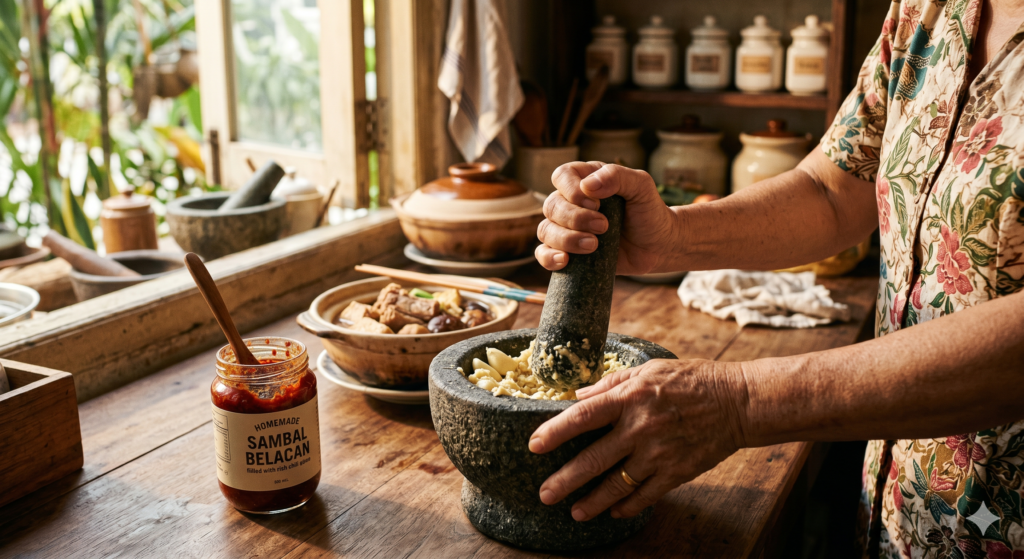
In almost every Malaysian kitchen, from the humblest roadside hawker stall to our own modern condo kitchens, garlic is an absolute, non-negotiable staple. Whether it is smashed into a fiery, fragrant sambal belacan, infused into a deep, comforting claypot of Bak Kut Teh, or sizzling in a wok for a simple stir-fry, garlic is the undeniable backbone of our local culinary flavor profile.
But well beyond the kitchen, garlic has been praised for generations across various cultures in traditional medicine. From ancient traditional Chinese medicine (TCM) to Ayurvedic practices, it has long been touted as a potent natural remedy for the common cold, persistent coughs, and stubborn, painful sinus infections.
Recently, however, this ancient traditional remedy violently collided with modern social media algorithms. The result? A wave of viral TikTok and Instagram trends claiming that raw garlic can instantly cure sinusitis. If you are currently suffering from severe nasal congestion, heavy facial pressure, and the misery of a blocked nose, you might be desperate enough to try just about anything.
But before you reach into your pantry for that bulb of garlic, let’s take a step back. We need to look closely at what clinical evidence, modern biochemistry, and certified Ear, Nose, and Throat (ENT) specialists actually have to say about using garlic for sinusitis.
Understanding the Malaysian Sinus Struggle

Before we dissect the garlic myth, it helps to understand why so many Malaysians suffer from sinusitis in the first place. Sinusitis is the inflammation or swelling of the tissue lining the sinuses—the hollow spaces behind your cheekbones, forehead, and eyes. When these spaces become blocked and filled with fluid, germs can grow and cause an infection.
In Malaysia, we are uniquely vulnerable to sinus issues due to a combination of environmental and lifestyle factors:
- The Tropical Climate and AC Dependency: Moving constantly from the sweltering, 90% humidity of the outdoors into freezing, bone-dry air-conditioned offices and shopping malls wreaks havoc on the delicate mucosal lining of our nasal passages. This constant expansion and contraction can lead to inflammation.
- The Annual Haze: The fine particulate matter (PM2.5) during haze season is a massive irritant that can trigger acute sinus inflammation.
- High Allergen Loads: Due to our humid climate, indoor allergens like house dust mites thrive, leading to widespread allergic rhinitis. While allergic rhinitis is not an infection, it causes the severe congestion that eventually blocks the sinuses, paving the way for a bacterial infection.
When you are trapped in this cycle of congestion, finding a “miracle cure” becomes highly appealing.
The Science Behind the Stench: What is Allicin?
The primary reason garlic is so highly regarded in natural medicine, and the reason it has caught the attention of modern scientists, comes down to a specific, powerful organosulfur compound called allicin.
Interestingly, allicin is not actually present in a whole, undisturbed clove of garlic. It is a defense mechanism of the plant. A whole garlic clove contains an amino acid called alliin and an enzyme called alliinase. They are kept strictly separated inside the plant’s cells. It is only when the garlic clove is damaged—by being crushed, chopped, chewed, or smashed with a pestle—that the cell walls break. The alliin and alliinase mix together, triggering a rapid chemical reaction that produces allicin.
Allicin is the exact chemical responsible for garlic’s famously pungent, eye-watering smell. It is highly volatile and unstable, meaning it degrades quickly, especially when exposed to heat (like when you fry it).
In controlled laboratory settings (what scientists call in vitro), allicin has demonstrated genuinely impressive properties. According to extensive research published in peer-reviewed medical journals , allicin exhibits broad-spectrum antibacterial, antiviral, and even antifungal effects. Because sinus infections can be caused by viruses, bacteria, or occasionally fungi, it is incredibly easy to see the logical leap people make: Garlic kills bacteria in a petri dish, so it must kill the bacteria in my sinuses.
Does Eating Garlic or Taking Supplements Cure Sinus Infections?
There is a massive biological difference between how a chemical acts in a sterile glass petri dish and how it acts inside the complex, dynamic environment of the human body (in vivo).
The Clinical Evidence on Curing Infections: Currently, there is absolutely no robust clinical trial evidence to conclusively state that eating raw garlic, drinking garlic water, or taking garlic supplements will cure an active, existing sinus infection. If you have a severe bacterial sinus infection—characterized by thick, dark green or brown mucus, severe facial pain, and a fever—garlic will not save you. You need targeted medical treatment, often in the form of prescribed antibiotics or corticosteroid sprays from a doctor.
The Evidence on Prevention and Immune Support: Where garlic does show some clinical promise is in the realm of prevention and mild immune modulation. Some smaller-scale, placebo-controlled studies suggest that regular, daily supplementation with Aged Garlic Extract (AGE) or standardized garlic powder might help prevent colds or slightly reduce the severity and duration of symptoms.
For example, a well-known trial involving 146 participants found that those taking a daily garlic supplement for 12 weeks had fewer occurrences of the common cold compared to a placebo group. The theory is that the compounds in garlic may help stimulate certain immune cells, like macrophages and lymphocytes.
The Verdict on Oral Consumption: Incorporating more garlic into your daily meals is delicious and generally safe. Taking a high-quality, odorless garlic supplement may offer some mild, long-term immune-boosting benefits. However, you must view it as a dietary supplement for general wellness, strictly not as a substitute for professional medical treatment when you are acutely ill with sinusitis.
The Dangerous Viral Trend: Why Putting Garlic in Your Nose is a Terrible Idea

If you have scrolled through TikTok, Instagram Reels, or YouTube Shorts recently, you have almost certainly seen the viral trend. Influencers peel whole, raw garlic cloves, shove them tightly up their nostrils, wait 10 to 15 minutes, and then remove them. What follows is a massive, shocking flood of clear mucus pouring from their nose.
The influencers boldly claim this “proves” the garlic is drawing out the sinus infection and magically unblocking their nasal passages.
Medical experts, rhinologists, and ENT doctors globally strongly, unequivocally warn against this practice. It is completely unsafe, medically unsound, and relies on a fundamental misunderstanding of human anatomy.
Here is the scientific reality of what is actually happening when you shove raw garlic up your nose:
- You Are Causing Severe Chemical Irritation: Raw garlic, as mentioned, is packed with harsh, volatile sulfur compounds. The mucosal lining inside your nasal cavity is incredibly thin, delicate, and highly vascular (full of blood vessels). When you place raw garlic directly against this sensitive tissue, it causes immediate chemical irritation and contact dermatitis. It is literally burning the inside of your nose.
- The “Mucus Flood” is a Defense Mechanism, Not a Cure: The massive amount of mucus you see flowing in those videos is not the garlic “curing” the sinuses or drawing out sickness. It is a biological panic response. Your body senses a highly irritating, burning foreign chemical has been introduced. In response, it aggressively over-produces mucus in a desperate attempt to wash the burning garlic oils away and protect the mucosal lining from permanent damage. You are not clearing your congestion; you are artificially creating a massive inflammatory response that will leave your nose feeling worse, more swollen, and more congested once the mucus stops flowing.
- High Risk of Foreign Body Obstruction: Garlic cloves are smooth, wet, and slippery. A terrifyingly common result of this trend is the clove sliding too far up the nasal canal, past the nasal valve, and becoming completely lodged in the airway. When this happens, you cannot simply blow it out. You will require an emergency, potentially embarrassing trip to an ENT clinic or hospital emergency room to have it surgically extracted with specialized forceps.
- Risk of Introducing Worse Infections: Raw agricultural products carry soil bacteria, fungal spores, and potential pathogens on their surface, no matter how well you peel them. Introducing these directly into an already inflamed, warm, and moist nasal passage can easily turn a mild viral cold into a severe, aggressive bacterial or fungal sinus infection.
- Damage to the Olfactory Nerve: At the very top of your nasal cavity sits the olfactory cleft, where the nerves responsible for your sense of smell reside. Severe chemical burns from garlic oils traveling up the nasal passage can temporarily or even permanently damage these nerves, leading to a loss of smell (anosmia).
Safe, Evidence-Based Ways to Clear Your Sinuses at Home

If you are dealing with the heavy facial pressure and blocked nose of sinusitis, please skip the dangerous internet hacks and kitchen remedies. Instead, rely on these safe, evidence-based treatments to find real relief:
- Saline Nasal Rinses (Nasal Irrigation): This is the gold standard for home sinus care. Using a Neti pot, a sinus rinse bottle, or a sterile saline spray physically flushes out trapped, sticky mucus, crusts, allergens, and inflammatory debris without causing chemical burns. Always use distilled water or water that has been boiled and cooled—never use straight tap water.
- Proper Steam Inhalation: Inhaling warm (not boiling) steam helps moisturize dry nasal passages and thin out thick, stubborn mucus, making it easier to expel. Note: It is perfectly safe to steep crushed garlic or ginger in a bowl of hot water and inhale the resulting steam, as long as the physical garlic never touches your skin or enters your nose.
- Strategic Hydration: Drinking plenty of plain, room-temperature water is crucial. Systemic hydration helps thin your body’s mucosal secretions. If you struggle with a dry, scratchy throat due to mouth breathing from your blocked nose, you can read more in our comprehensive guide on 7 Ways to Treat a Morning Dry Throat in Malaysia.
- Warm Compresses: Applying a warm, damp towel across your forehead, eyes, and cheekbones can significantly help relieve the throbbing pain and pressure associated with blocked sinuses.
- Over-the-Counter (OTC) Relief: Speak to your local pharmacist about OTC treatments. Saline sprays are safe for daily use. Medicated decongestant sprays (like oxymetazoline) can provide rapid, massive relief but should neverbe used for more than 3 to 5 consecutive days, as they can cause a severe rebound congestion effect.
Conclusion
Garlic is a magnificent, flavorful ingredient that belongs in our woks and curries, not in our respiratory tracts. While incorporating it into your diet provides fantastic flavor and some mild, general immune-supporting benefits, it is not a targeted medical cure for an active sinus infection.
More importantly, the viral trend of putting raw garlic inside your nose is a dangerous, biologically illogical practice that will cause chemical burns, worsen inflammation, and potentially send you to the emergency room. When it comes to your health, always trust clinical evidence and certified medical professionals over internet trends.
Frequently Asked Questions (FAQs)
Q: Can I drink garlic tea to help my sinus infection? A: Yes, absolutely! Drinking a warm, soothing tea made from freshly crushed garlic, slices of ginger, and a spoonful of pure honey is completely safe. While it won’t instantly “cure” a deep bacterial infection, the warm liquid helps soothe a sore throat, the honey acts as a natural cough suppressant, and the steam rising from the mug can temporarily open and moisturize your nasal passages.
Q: Why does my nose run uncontrollably when I eat very spicy food with lots of raw garlic? A: This is a very common phenomenon! Spicy foods (like chili padi) and highly pungent ingredients like raw garlic trigger a physiological process called gustatory rhinitis. This is a nerve reflex where your body produces watery nasal discharge in response to intense, irritating flavors or heat on the palate. While this can temporarily make you feel less congested and help clear out some mucus, it is a temporary reflex, not a cure for the underlying sinus inflammation.
Q: When should I stop trying home remedies and see an ENT doctor for my sinus issues in Malaysia? A: You should book a consultation with an ENT specialist if your symptoms persist for more than 10 to 14 days without any sign of improvement. Furthermore, seek immediate medical attention if you experience severe pain or swelling around your eyes and forehead, if your nasal discharge becomes thick, foul-smelling, and dark green/brown, or if your congestion is accompanied by a persistent high fever. These are signs of a severe bacterial infection that requires professional intervention.
Comments are closed