
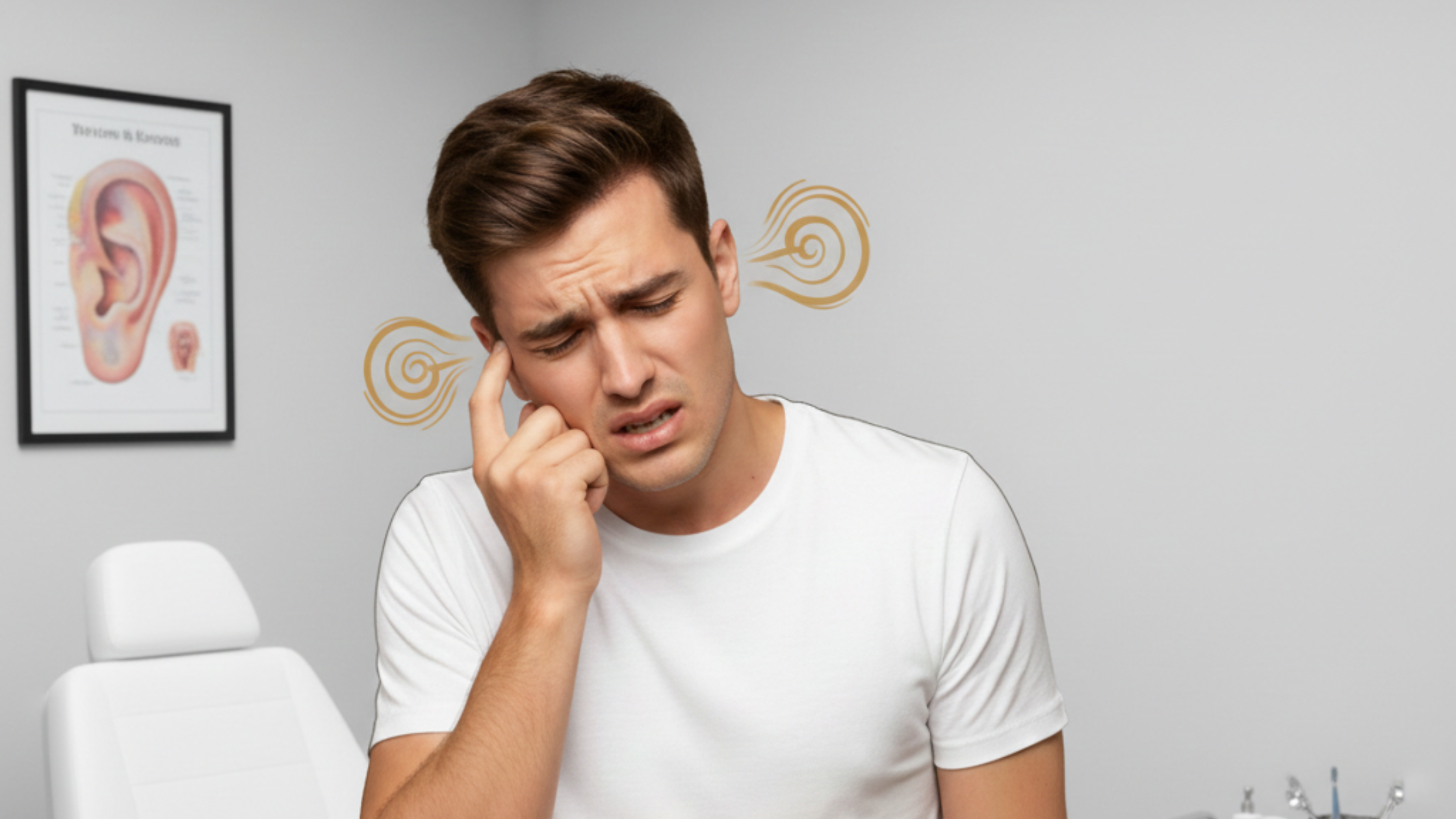
A painful or blocked ear can be stressful, especially when you are not sure whether it is something as simple as earwax or a genuine ear infection. They both may result in discomfort, muffled hearing, and that full-in-the-ear feeling, but the reasons (as well as the correct treatment) are very different. The key differences will help you avoid unnecessary and risky home remedies and delayed treatment.
What earwax buildup usually feels like
Earwax (cerumen) is normal. It keeps your ear canal protected by trapping dust, and your skin stays moisturised. Problems start when wax builds up and blocks the canal. Common symptoms include muffled hearing, slight ear pain, itching, and, occasionally, ringing in the ears (tinnitus). Others also experience a particular form of dizziness in case of severe blockage. Importantly, earwax problems do not usually cause fever, and the pain is mild rather than sharp or throbbing.
A common mistake is using cotton buds to clean the ear. Using cotton buds tends to push more wax inwards, worsening the blockage and irritating the ear canal. Ear candles are also not safe and do not necessarily remove wax. In case of suspicion of wax, it is better to have the ear checked and cleared up safely.
The typical experience of an ear infection.

Ear infections occur in different areas, but two common types are outer ear infections (otitis externa) and middle ear infections (otitis media).
An outer ear infection is usually characterized by pain on touching or pulling the ear, itching, swelling, and, at times, discharge. It may occur after swimming or when the ear canal is scratched.
Middle ear infection is more common after a cold or the flu. These symptoms could include deeper ear pain, fever, hearing loss, pressure, and, in some cases, fluid drainage if the eardrum ruptures.
Contrary to wax, infections are usually accompanied by more severe pain, tenderness, discharge, or systemic non-local symptoms, such as fever and fatigue. Children can pull their ears, be fussy, or have difficulties sleeping.
When to see an ENT specialist
If you feel you have a blocked ear for a few days or the symptoms recur, the safest thing to do is to get a proper ear examination. Visit an ENT specialist earlier if you have severe pain, discharge, fever, dizziness or vertigo, sudden hearing loss, a weak immune system, or a history of ear surgery.
An ENT doctor can examine the ear with the right instruments and quickly confirm whether it’s earwax, an infection, eardrum inflammation, or something else. For wax, professional microsuction or safe removal methods can relieve symptoms immediately. For infection, treatment may include ear drops, medication, and advice to prevent recurrence without guessing.
If you are not sure whether an ear infection is caused by an ear infection or by earwax, do not self-diagnose; wait it out. Book an ear assessment with ear doctor PJ to obtain a precise diagnosis and safe, effective treatment, so you can hear comfortably once again without complicating the situation.
FAQ
Discover more from The ENT Doctor
Subscribe to get the latest posts sent to your email.
Comments are closed