The “Danger” in Your Toilet: Must We Stop Using Cotton Buds?
Introduction: The Most Satisfying Habit That’s Ruining Your Hearing
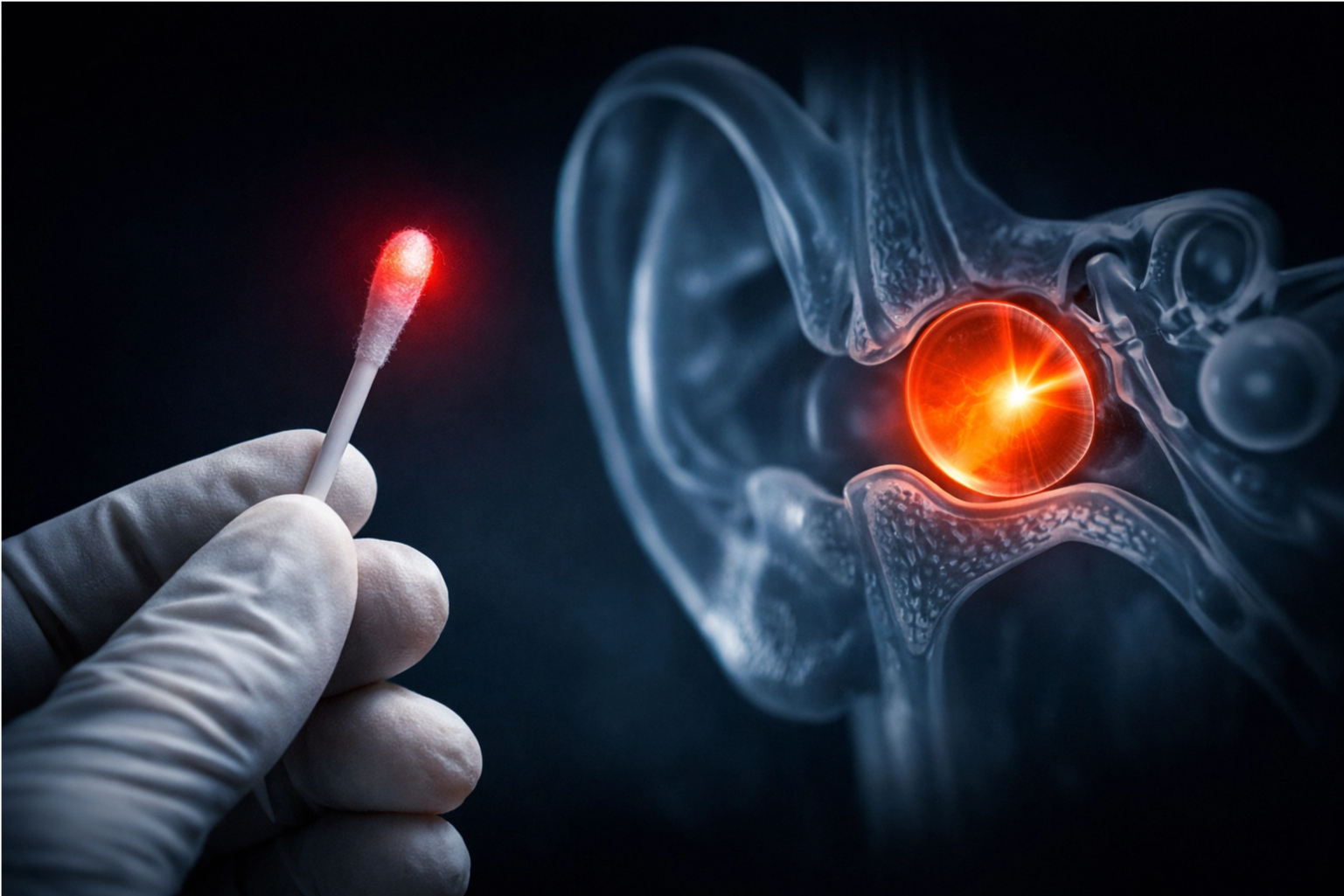
We’ve all been there. After a refreshing shower, the urge to reach for a cotton bud (Q-tip) to “clean” your ears is almost irresistible. In Malaysia, it’s a common household habit passed down through generations. But what if I told you that this seemingly harmless ritual is one of the leading causes of preventable ear injuries seen at my clinic?
At The ENT Dr, I frequently treat patients who come in with sudden hearing loss, excruciating pain, or even bleeding—all because of a simple cotton bud. It’s time to expose the “silent danger” lurking in your bathroom cabinet.
1. You’re Not Cleaning; You’re Compacting
The biggest myth about earwax (cerumen) is that it’s “dirt” that needs to be removed. In reality, earwax is a natural protective barrier. It traps dust, prevents bacterial growth, and even keeps insects away from your eardrum.
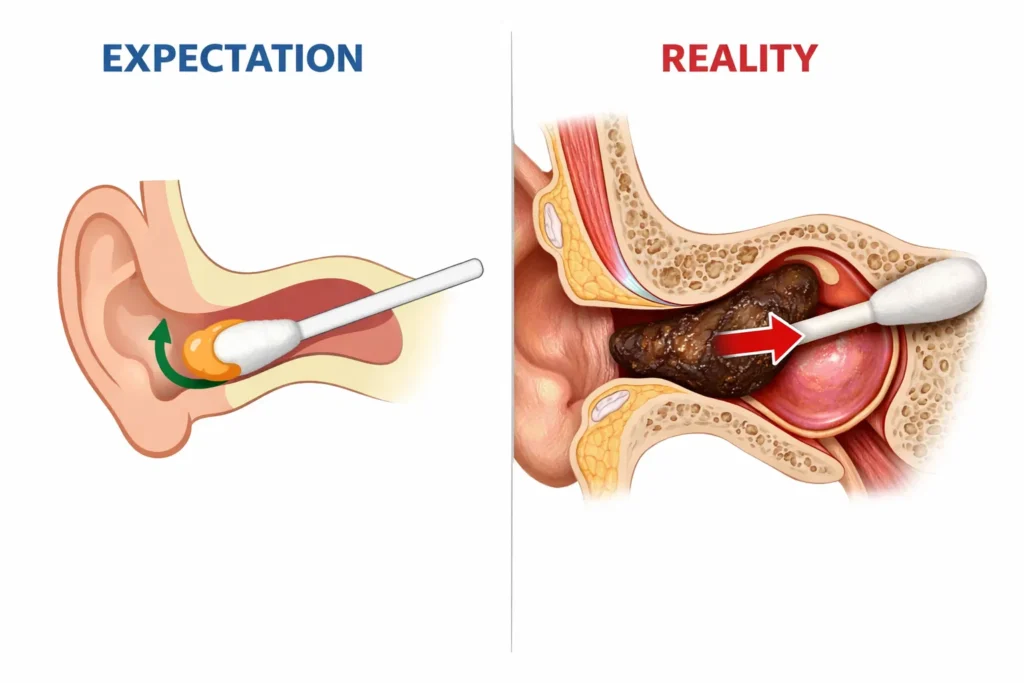
When you use a cotton bud, you aren’t actually “scooping” the wax out. Instead, you are acting like a ramrod, pushing the wax deeper into the narrow part of the ear canal where it doesn’t belong. This leads to impacted earwax, which can cause:
- A “clogged” feeling or sudden hearing loss.
- Tinnitus (ringing in the ears).
- Dizziness or vertigo.
2. The “Eardrum Disaster”: A Millimeter Away from Permanent Damage
The human eardrum is incredibly delicate—thinner than a sheet of tissue paper. It sits just a few centimeters from the opening of your ear. One accidental slip, a sudden sneeze, or a nudge from a family member while you’re “cleaning” can lead to a perforated eardrum.
A ruptured eardrum is not just painful; it can lead to permanent hearing loss and chronic middle ear infections. In Malaysia’s humid climate, an open wound in the ear is an invitation for fungal infections (otomycosis), which are notoriously difficult to treat.
3. The “Itch-Scratch” Trap: Why Your Ears Feel Itchier After Cleaning
Have you noticed that the more you clean your ears, the itchier they become? This is because cotton buds strip away the natural oils and wax that lubricate the ear canal. This leaves the skin dry, flaky, and prone to micro-tears.
These tiny scratches can become infected, leading to Otitis Externa (Swimmer’s Ear), characterized by swelling, discharge, and intense pain when you touch your earlobe.
4. How to Safely Manage Earwax (The Doctor’s Way)
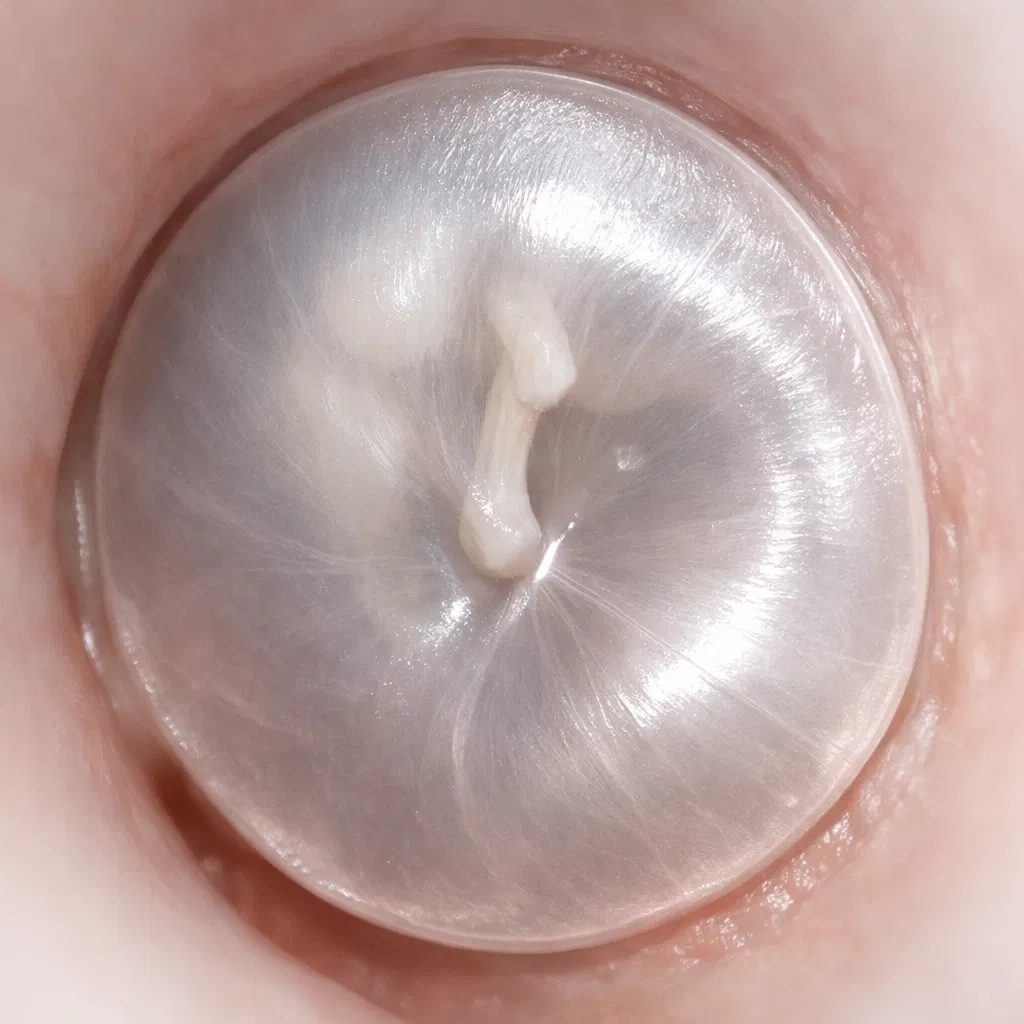
The best advice I can give as an ENT specialist is: “Never put anything smaller than your elbow into your ear.” Your ears are designed to be self-cleaning. The skin in the ear canal grows in a spiral pattern, naturally pushing old wax and debris toward the outside.
If you feel a blockage, here is what you should do:
- The “Wait and See” Approach: Most wax will fall out on its own during a shower or while you sleep.
- Softening Drops: Over-the-counter olive oil or specialized ear drops can help soften the wax so it migrates out naturally.
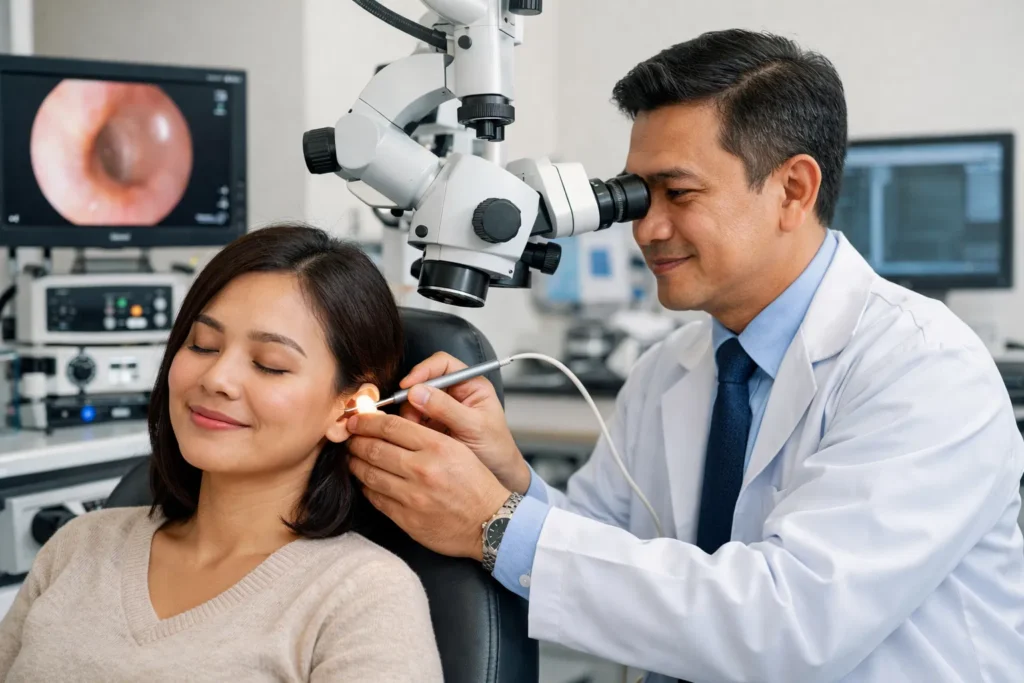
- Professional Microsuction: If the wax is truly stuck, visit an ENT specialist. At our clinic in Petaling Jaya, we use microsuction—a safe, painless procedure using a microscope to gently vacuum out the wax without touching the eardrum [1].
Conclusion: Protect Your Hearing, Ditch the Bud
It might feel satisfying in the moment, but the risks of using cotton buds far outweigh the benefits. Your hearing is one of your most precious senses—don’t gamble with it for the sake of a 10-second habit.
If you’re experiencing ear pain, hearing loss, or persistent itching, don’t wait for it to get worse. Book a consultation at The ENT Dr today and let’s ensure your ears are healthy and clear, the right way.
References
- The ENT Dr – Ear Wax vs Ear Infection: How to Tell the Difference
- UKM News – Why You Should Stop Cleaning Your Ear with Cotton Swabs
- SAYS – PSA: Stop Using Cotton Buds to Clean Your Ears
- The ENT Dr – About the Doctor
Internal Links:
- Appointments
- Paediatric ENT Services (Crucial for parents cleaning their children’s ears)
Discover more from The ENT Doctor
Subscribe to get the latest posts sent to your email.
Comments are closed