The Viral “Mouth Taping” Trend: A Medical Perspective on Sleep, Snoring, and Social Media Hacks
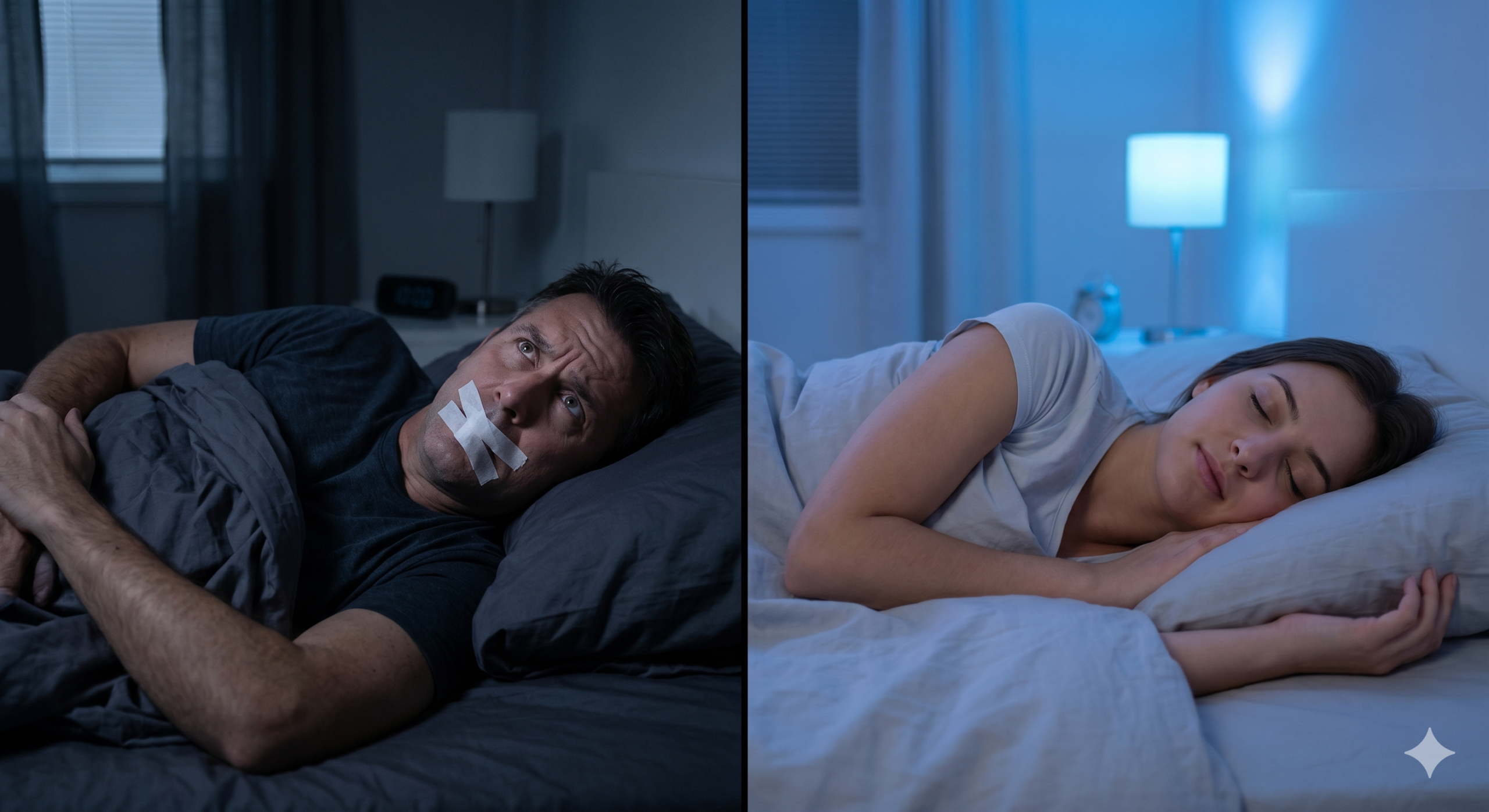
If you have spent any time on TikTok, Instagram, or X recently, you have likely come across a highly visual and somewhat jarring wellness trend: influencers, athletes, and everyday people going to sleep with a piece of tape firmly stuck across their lips.
This phenomenon, widely known as “mouth taping,” has taken the internet by storm. Its proponents claim that physically sealing your lips shut before bed forces your body to breathe through your nose. According to viral videos, this simple hack can cure snoring, prevent morning bad breath, eliminate daytime fatigue, and even sculpt a sharper jawline over time. For many desperate for a good night’s sleep, it is being touted as a miracle, do-it-yourself fix for everything from poor sleep quality to obstructive sleep apnea (OSA).
However, as medical professionals who study the complex anatomy of the airway, we have to look past the hype. Is sticking tape over your mouth at night actually beneficial, or is this another potentially dangerous social media health hack born out of a misunderstanding of human physiology?
In this comprehensive guide, we will explore the actual science of nasal breathing, explain why mouth taping can pose significant risks—especially in the Malaysian climate—and outline medically sound ways to address chronic snoring and sleep disturbances.
The Physiology of Sleep: Why Nasal Breathing Matters
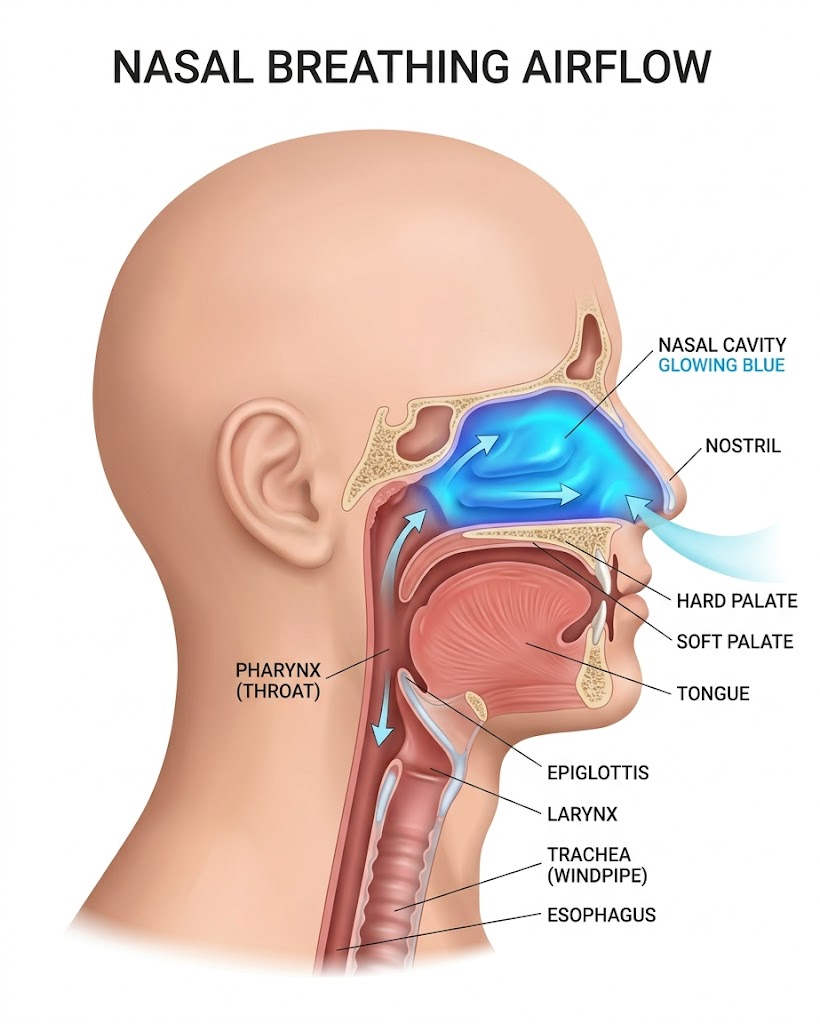
Before debunking the method, it is important to validate the core premise of the trend. The influencers promoting mouth taping are correct about one fundamental fact: nasal breathing is physiologically superior to mouth breathing. Human beings are naturally designed to be obligate nasal breathers, particularly during rest and sleep. Your nose is not merely a passageway for air; it is a highly sophisticated, multi-functional organ that acts as your body’s primary climate control and filtration system. When you breathe through your nose, several critical physiological processes occur that simply cannot happen when you breathe through your mouth:
1. Advanced Filtration
The inside of your nasal cavity is lined with microscopic, hair-like structures called cilia, as well as a layer of mucous. Together, these act as a high-efficiency particulate air (HEPA) filter for your lungs. They trap dust, allergens, pollutants, and even airborne pathogens before they can travel deeper into your respiratory system.
2. Temperature and Humidity Regulation
The nasal turbinates—structures on the side wall of the inside of the nose—are rich in blood vessels. As air passes over them, it is rapidly warmed to body temperature and humidified. If you sleep in an air-conditioned room, breathing cold, dry air directly through your mouth can lead to micro-trauma in the throat, resulting in the classic severe, parched morning sore throat. The nose prevents this by conditioning the air first.
3. The Nitric Oxide Pathway
Perhaps the most crucial benefit of nasal breathing is the production of nitric oxide (NO). The paranasal sinuses continuously produce this gas. When you inhale through your nose, the air carries nitric oxide down into your lungs. Nitric oxide is a potent vasodilator—it widens your blood vessels. This significantly improves the efficiency of oxygen exchange in the lungs, lowering blood pressure and improving overall cardiovascular health during sleep.
4. Neurological Calm and Diaphragmatic Breathing
Breathing through the nose provides a natural resistance to airflow—about 50% more resistance than mouth breathing. This resistance is actually a good thing. It forces you to take slower, deeper breaths that engage the diaphragm. Diaphragmatic breathing stimulates the vagus nerve, which in turn activates the parasympathetic nervous system (the “rest and digest” state). This helps lower your heart rate and allows you to transition into deep, restorative stages of sleep.
Conversely, chronic mouth breathing bypasses these natural defenses. It dries out the oral cavity, drastically reducing saliva production. Saliva is necessary to wash away bacteria and neutralize acids; therefore, a chronically dry mouth becomes a breeding ground for cavities, gingivitis, and chronic halitosis (bad breath).
Why Do We Mouth Breathe at Night?
If nasal breathing is so beneficial, why do so many people breathe through their mouths when they sleep?
It is rarely just a “bad habit.” Mouth breathing during sleep is almost always an involuntary physiological compensation for increased nasal airway resistance. Your brain is constantly monitoring your oxygen and carbon dioxide levels. If it detects that you are not getting enough air through your nose, it will trigger an emergency reflex to open your mouth to ensure you keep breathing.
Common causes of nasal airway resistance include:
- Allergic Rhinitis: Inflammation of the nasal lining due to allergens.
- Deviated Septum: The cartilage and bone dividing the nasal cavity is crooked or off-center, physically blocking one or both nasal passages.
- Nasal Polyps: Benign, teardrop-shaped growths in the lining of the nose or sinuses that obstruct airflow.
- Enlarged Turbinates: Swelling of the tissue inside the nose, often due to chronic allergies or sinus infections.
- Enlarged Adenoids: Lymphatic tissue high in the throat behind the nose that can swell and block the nasal airway, particularly in children and some adults.
The Hidden Dangers of the Mouth Taping Trend
Understanding that mouth breathing is a symptom of a blocked nose, rather than the root problem, highlights exactly why the mouth taping trend is fundamentally flawed. By taping your mouth shut, you are forcibly removing your body’s emergency backup airway without addressing the primary blockage.
Here is a detailed look at why this DIY trend can be hazardous:
1. Exacerbating Undiagnosed Sleep Apnea
Obstructive Sleep Apnea (OSA) is a serious, often undiagnosed medical condition where the soft tissues in the back of the throat collapse during sleep, partially or completely blocking the airway. This causes breathing to stop and start repeatedly, leading to loud snoring, gasping, and severe drops in blood oxygen levels. Taping the mouth shut does absolutely nothing to prevent the throat from collapsing. For someone with OSA, restricting the oral airway can cause prolonged periods of hypoxia (low oxygen), putting immense, dangerous stress on the heart, brain, and cardiovascular system.
2. Aspiration Risks
Your mouth needs to be able to open to protect your airway. If you experience acid reflux, nausea, or suddenly need to cough up mucus during the night, a taped mouth presents a severe choking and aspiration hazard. Inhaling stomach acid or vomit into the lungs can cause aspiration pneumonia, a life-threatening condition.
3. Sleep Fragmentation and Anxiety
If you have a blocked nose and you tape your mouth shut, your brain will eventually panic due to the lack of oxygen. This triggers a surge of adrenaline, yanking you out of deep sleep. You may wake up gasping, heart racing, and feeling a terrifying sensation of suffocation. This constant sleep fragmentation destroys sleep quality, leaving you more exhausted than if you hadn’t used the tape at all.
4. Dermatological Issues
Many social media users grab whatever tape is accessible—masking tape, packing tape, or standard medical tape. The skin on and around the lips is incredibly delicate. Repeatedly applying and ripping off strong adhesives can cause severe contact dermatitis, micro-tears, blistering, and allergic skin reactions.
Understanding the Malaysian Context
The risks of nasal obstruction are particularly high in Malaysia due to our unique environmental factors. Treating snoring and sleep issues here requires understanding the local context:
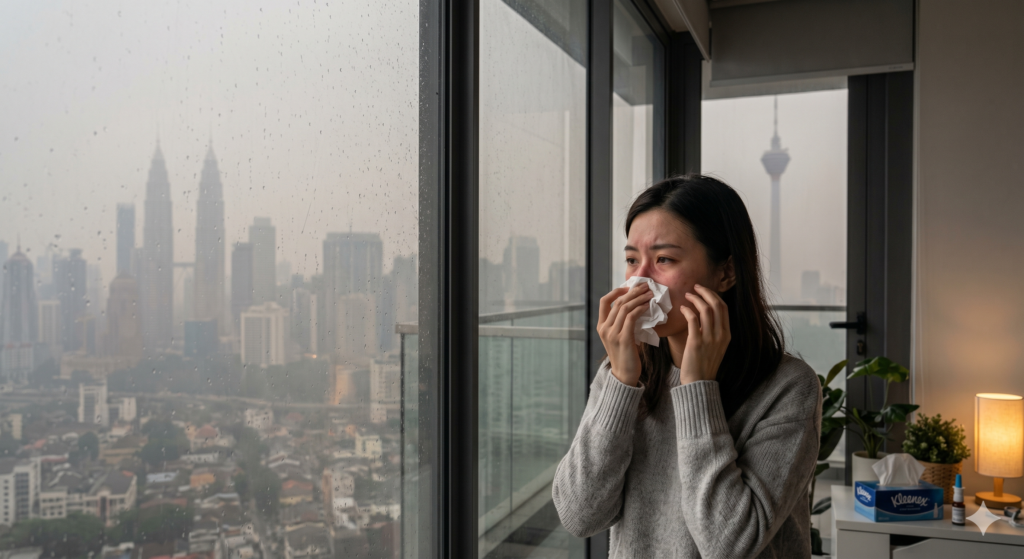
- The Climate and Allergens: Malaysia’s tropical climate is highly humid year-round, creating the perfect breeding ground for dust mites—one of the leading causes of allergic rhinitis. Furthermore, the annual haze seasons introduce high levels of particulate matter into the air, causing widespread sinus inflammation and nasal congestion.
- Heavy Air Conditioning Use: To combat the heat, Malaysians frequently sleep in heavily air-conditioned rooms. As mentioned earlier, AC units strip moisture from the air. If your nose is slightly blocked from allergies and you resort to mouth breathing in an AC room, the resulting dryness in the throat can be severe. Taping your mouth in this scenario, without fixing the nasal blockage, only compounds the discomfort.
Medically Sound Solutions for Snoring and Mouth Breathing
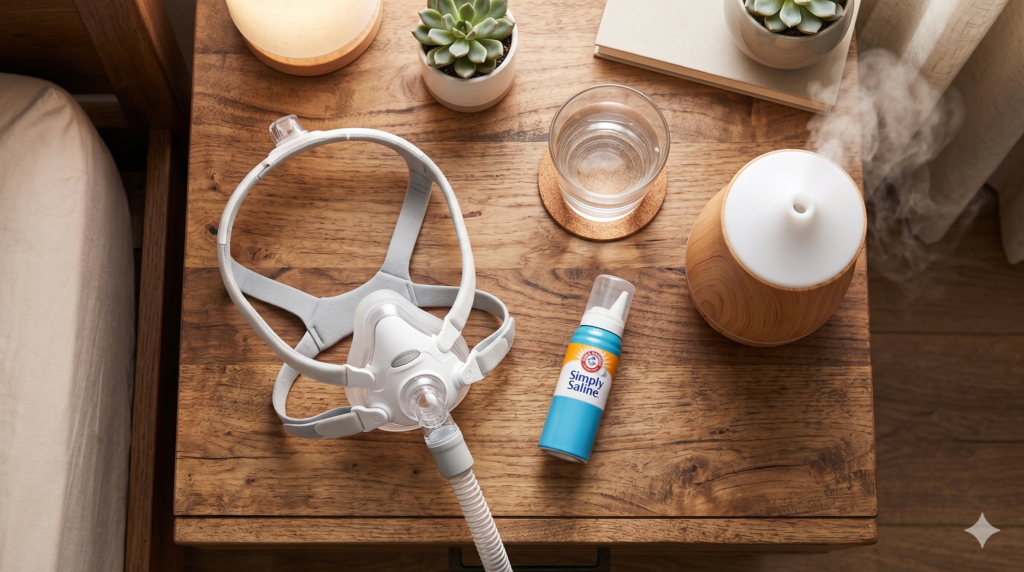
If you wake up with a dry mouth, if your partner complains about your disruptive snoring, or if you constantly feel fatigued despite getting eight hours of sleep, your body is sending you a clear signal. Instead of masking the symptom with a piece of tape, the objective should be to diagnose and treat the root cause of your airway obstruction.
Here are the established, medical approaches to resolving these issues safely:
1. Comprehensive Airway Evaluation
The definitive first step is a thorough examination by an Ear, Nose, and Throat (ENT) specialist. Using a small, painless camera known as a nasal endoscope, a doctor can visualize the entire length of your nasal passages and throat. This allows for an accurate diagnosis of any structural blockages, such as a deviated septum, nasal polyps, or enlarged turbinates, which are impossible to see from the outside.
2. Medical Management of Inflammation
If the primary cause of your nasal blockage is environmental—such as allergic rhinitis triggered by the Malaysian climate—medical management is highly effective. This typically involves a regimen of prescription-grade intranasal corticosteroid sprays, specialized antihistamines, and saline sinus irrigations. By reducing the swelling in the nasal mucous membranes, the airway opens naturally, allowing you to breathe comfortably through your nose without the need for physical restraints.
3. Sleep Studies (Polysomnography)
If a specialist suspects that your snoring is linked to Obstructive Sleep Apnea, a sleep study will be recommended. This diagnostic test monitors your brain waves, blood oxygen levels, heart rate, and breathing patterns throughout the night. The data collected provides a definitive understanding of the severity of your sleep disturbances and guides the appropriate treatment plan.
4. Continuous Positive Airway Pressure (CPAP) Therapy
For individuals diagnosed with moderate to severe sleep apnea, CPAP therapy is the established standard of care. A CPAP machine delivers a steady, gentle stream of pressurized air through a comfortable mask worn over the nose (or nose and mouth). This continuous air pressure acts as a physical splint, keeping the soft tissues of the throat from collapsing and ensuring a steady supply of oxygen throughout the night.
5. Surgical Interventions
In cases where medical treatments are insufficient, or where there is a clear, physical anatomical blockage, surgical options can provide a permanent solution. Modern ENT surgeries are often minimally invasive. Procedures such as a Septoplasty (realigning a deviated septum), Turbinate Reduction (decreasing the size of swollen nasal tissues), or Functional Endoscopic Sinus Surgery (clearing chronic blockages in the sinus cavities) can dramatically improve nasal airflow. By physically opening the airway, natural nasal breathing is restored seamlessly.
Conclusion
While social media platforms excel at sharing rapid information, they are not a substitute for individualized medical care. The fundamental goal of the mouth taping trend—to promote and encourage nasal breathing—is grounded in legitimate human biology. However, attempting to force this biological process with adhesive tape, without understanding the underlying reasons for mouth breathing, is fundamentally backward and potentially dangerous.
If your body is struggling to breathe through your nose, forcing the issue is not the answer. A blocked airway is a medical symptom that requires proper investigation and treatment.
For a comprehensive evaluation of your airway, snoring issues, or sleep health, you can schedule an appointment with us. Our team is equipped to provide accurate diagnoses and tailored, evidence-based treatments to help you achieve a safe and restful night’s sleep.
Frequently Asked Questions (FAQ)
Q: Is there any safe way to try mouth taping at home? A: Generally, it is not recommended to try mouth taping without a prior evaluation by a medical professional. If you have any undiagnosed nasal obstruction, taping your mouth can restrict your oxygen intake. The safest approach to improving your sleep and stopping snoring is to have your airway medically assessed first to ensure you can adequately breathe through your nose.
Q: Can mouth taping cure my Obstructive Sleep Apnea (OSA)? A: No. Mouth taping is not an approved or effective treatment for Obstructive Sleep Apnea. OSA is caused by the physical collapse of tissues in the throat, which tape cannot prevent. In fact, taping your mouth can be hazardous if you have sleep apnea, as it removes your body’s secondary breathing route during an apnea episode. Proper treatments like CPAP therapy or specific airway surgeries are required for OSA.
Q: Why do I always wake up with a dry mouth and sore throat? A: Waking up with a dry mouth and a sore throat is a classic indicator of mouth breathing during sleep. In Malaysia, many people sleep with air conditioning, which circulates cold, dry air. When you breathe this air through your mouth, you bypass the nose’s natural humidification system, drying out your oral tissues. This is frequently triggered by underlying nasal congestion from allergies, dust mites, or sinus issues.
Q: What is the first step to stop snoring naturally? A: The most effective “natural” steps involve basic sleep hygiene and lifestyle modifications. This includes maintaining a healthy weight, avoiding alcohol and heavy meals at least three hours before bedtime, and sleeping on your side rather than your back. However, if snoring persists despite these changes, a medical evaluation is the next necessary step to rule out structural blockages.
Comments are closed