

Waking Up with a Dry Throat?
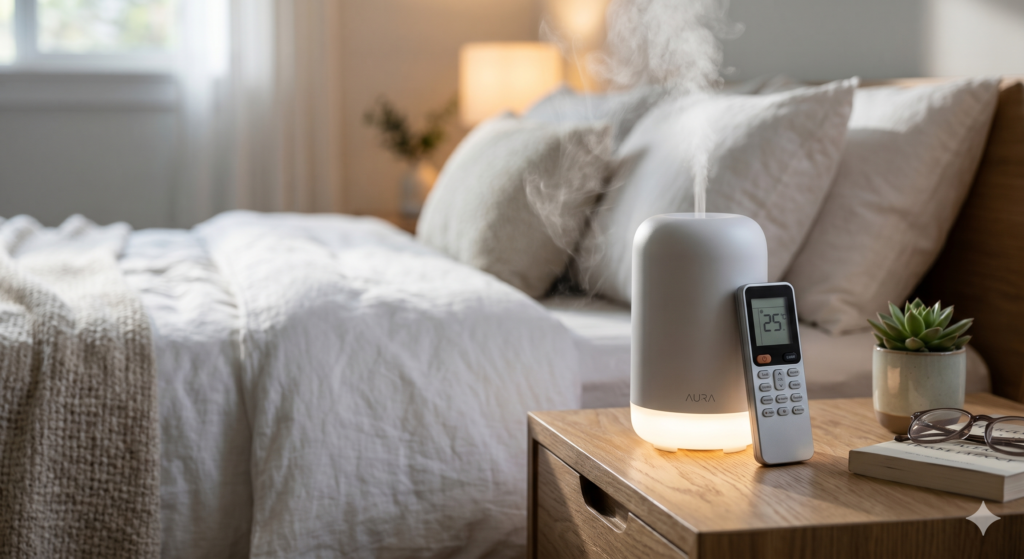
It sounds like a bizarre contradiction: how can you possibly wake up with a throat as dry as sandpaper when you live in Malaysia, a tropical country famous for its year-round 80% to 90% humidity?
If you find yourself waking up desperately craving a glass of ice-cold water, or spending the first ten minutes of your morning trying to clear a scratchy, irritated feeling in the back of your throat, you are absolutely not alone. A dry throat in the morning is one of the most frequent complaints we see at local Ear, Nose, and Throat (ENT) clinics across Kuala Lumpur and beyond.
While our outdoor climate is undeniably hot and humid, our modern indoor sleeping habits, local dietary culture, and urban environmental factors often create the perfect storm for a parched respiratory tract. When you sleep, your body’s natural saliva production drops significantly. Combine this biological fact with external drying factors, and the delicate mucosal lining of your pharynx (your throat) quickly becomes dehydrated and inflamed.
Here is a deep dive into the 7 locally relevant culprits behind your morning dry throat, and exactly what you can do to banish it for good.
1. Tame Your Air-Conditioning (AC) Habits
In Malaysia, the air-conditioner is more than just a luxury; for many, it is an absolute necessity for a good night’s sleep. However, it is also the number one culprit for a dry throat.
To understand why, you have to understand how an air-conditioner works. AC units do not just cool the air; they actively draw warm, moist air out of your room, pass it over cold evaporator coils (which turns the moisture into condensation that drips away outside), and pump cool, extremely dry air back in. Sleeping for eight solid hours in a sealed, air-conditioned room practically guarantees that you are stripping the moisture from your skin, eyes, and respiratory tract.
What you can do about it:
- Adjust the Temperature: The colder the room, the harder the compressor works, and the more moisture it extracts. Instead of blasting your AC at an arctic 16°C or 18°C all night, set it to a more moderate 24°C to 26°C.
- Use the Timer and Fan Combo: This is a classic Malaysian life hack. Set your air-conditioner timer to turn off around 2:00 AM or 3:00 AM, right when the outdoor temperature naturally drops. Have your ceiling fan running simultaneously to keep the cool air circulating for the rest of the night.
- Avoid Direct Airflow: Ensure the AC vents are pointing away from your bed. Having a continuous stream of dry, cold air blowing directly onto your face will instantly dry out your mouth and nasal passages.
2. Introduce a Strategic Humidifier to Your Bedroom
If you live in a high-rise condo in the city center and simply cannot sleep without the AC running all night due to the urban heat island effect, you need to actively put moisture back into your bedroom’s atmosphere.
While the outdoor air in Malaysia is thick with humidity, a closed, air-conditioned room mimics a dry winter climate. A humidifier solves this by emitting water vapor or steam to increase moisture levels in the air.
What you can do about it:
- Invest in an Ultrasonic Humidifier: You don’t need expensive medical-grade equipment. A simple, quiet ultrasonic humidifier placed on your bedside table works wonders to keep your nasal passages and throat mucosal lining moist while you sleep.
- Keep it Clean: Because Malaysia is already a prime environment for mold and fungi, you must be diligent about hygiene. Empty the water tank daily, wipe it dry, and refill it with clean, filtered water before bed. Leaving stagnant tap water in a humidifier for days will breed bacteria that you will then breathe straight into your lungs, causing entirely different respiratory issues.
3. Skip the Late-Night Mamak Suppers (The Silent Reflux Link)

It is deeply ingrained in our culture. That midnight Maggi Goreng, a plate of Nasi Kandar, or a crispy Roti Canai washed down with a cold Teh O Ais might hit the spot after a long day. However, eating heavy, spicy, or greasy food right before bed is a major trigger for Gastroesophageal Reflux Disease (GERD) and its stealthier cousin, Laryngopharyngeal Reflux (LPR).
LPR is often called “silent reflux” because it doesn’t always cause the classic symptom of heartburn. Instead, when you lie flat to sleep on a full stomach, the digestive acids creep up your esophagus and spill over into your voice box and throat. Stomach acid is highly corrosive. By morning, it has chemically burned the back of your throat, leaving it feeling raw, swollen, and severely dry.
What you can do about it:
- The 3-Hour Rule: Try to finish your last meal at least 3 hours before your head hits the pillow. This gives your stomach ample time to digest the food and empty its contents into the small intestine.
- Elevate Your Head: If you simply must eat late due to shift work or social obligations, prop yourself up with an extra pillow or use a wedge pillow. Keeping your upper body slightly elevated uses gravity to keep stomach acids where they belong.
- Avoid the Triggers: Spicy sambal, citrus juices, fatty fried foods, and chocolate are notorious for relaxing the lower esophageal sphincter (the valve that keeps acid down).
4. Hydrate Smartly and Beware of Evening Diuretics
Dehydration is the most obvious cause of a dry throat. However, in the context of our daily lives, how and what you hydrate with matters immensely.
Many Malaysians unwind in the evening with a large sugary Milo Ais, a cup of Kopi, or a trendy bubble tea. Both caffeine and high amounts of sugar act as mild diuretics. This means they prompt your kidneys to expel water, causing you to actually lose fluids and urinate more frequently during the night. Furthermore, if you are not drinking the recommended 2 to 3 liters of plain water throughout the day to combat the tropical heat, your body goes into the night already at a hydration deficit.
What you can do about it:
- Pace Your Water Intake: Don’t chug a whole liter of water right before bed, or you will be waking up for bathroom trips all night, ruining your sleep cycle. Instead, sip water consistently throughout the late afternoon and evening.
- The Bedside Glass: Drink one small glass of plain, room-temperature water about 30 to 45 minutes before bed. Keep a water bottle on your nightstand so you can take a quick sip if you wake up feeling parched in the middle of the night.
5. Check for Mouth Breathing, Snoring, and Sleep Apnea
Are you waking up with a severely dry mouth, chapped lips, and a dry throat? This is a massive red flag that you are breathing through your mouth instead of your nose while you sleep.
The human nose is an incredible piece of biological engineering. Inside your nose are structures called turbinates that act as tiny radiators and humidifiers. They warm and moisten the air before it hits your throat and lungs. When you bypass the nose and breathe through your mouth, raw, dry, unfiltered air blasts directly against your throat all night long.
Mouth breathing is rarely a conscious choice; it is usually forced upon you by nasal congestion. In Malaysia, allergic rhinitis (triggered by pervasive indoor house dust mites) is incredibly common. Alternatively, a deviated septum or Obstructive Sleep Apnea (OSA) could be the root cause.
What you can do about it:
- Dust Mite Warfare: Keep your bedroom meticulously clean. Wash your bedsheets weekly in hot water, vacuum your mattress, and clean those ceiling fan blades where dust accumulates.
- Nasal Rinses: Try a gentle saline nasal spray or a Neti pot before bed to clear out allergens and reduce swelling in your nasal passages, encouraging you to breathe through your nose.
- Consult an ENT for Snoring: If your partner constantly complains that you snore loudly, or if you frequently wake up gasping for air, you must consult an ENT specialist. Obstructive Sleep Apnea is a serious medical condition that goes far beyond a dry throat, impacting your heart health and daily fatigue levels.
6. Protect Yourself During the Haze and Bad Air Quality Days
Malaysians are unfortunately very familiar with the haze. When agricultural fires burn in neighboring regions or local open burning gets out of hand, the Air Pollutant Index (API) spikes.
This haze carries fine particulate matter, specifically PM2.5, which is microscopic enough to bypass your body’s natural defenses and lodge deep in your respiratory tract. Even if you stay indoors, these particulates seep into our homes. They heavily irritate the mucosal lining of your throat, leading to a dry, scratchy, and sometimes painful sensation upon waking, even if your hydration and AC settings are perfect.
What you can do about it:
- Seal the Room: During periods of high API, keep your bedroom windows tightly shut.
- Run a HEPA Air Purifier: This is an excellent investment for any Malaysian household. Run a high-quality air purifier equipped with a True HEPA filter in your bedroom while you sleep to constantly scrub the air of irritants, smoke, and allergens that dry out and inflame your throat.
7. Gentle Morning Rescue Remedies
Sometimes, despite your best efforts, you still wake up with that dreaded dry, scratchy feeling. When the damage is already done, you need immediate, soothing relief to get your day started on the right foot.
What you can do about it:
- The Warm Salt Water Gargle: Head straight to the kitchen, mix half a teaspoon of plain table salt into a glass of warm water, and gargle for 30 seconds. The salt water utilizes osmosis to draw out excess fluid from swollen, inflamed throat tissues, clears away thick nighttime mucus, and instantly soothes the dry scratchiness.
- Warm Honey Lemon Water: A staple in Malaysian households for a reason. Honey is a natural humectant (it retains moisture) and has mild antibacterial properties. A warm mug of water with a spoonful of pure honey will coat the back of your throat, providing immediate lubrication and relief. Avoid using boiling water, as it degrades the beneficial enzymes in the honey.
When Is a Dry Throat a Sign to See an ENT Specialist?

Occasional morning dryness is completely normal, especially after a long night of blasting the AC or indulging in a heavy, spicy supper. However, you should not ignore chronic symptoms. It is time to schedule a consultation with an Ear, Nose, and Throat specialist if your dry throat:
- Persists every single morning for more than two or three weeks.
- Is accompanied by difficulty swallowing (dysphagia) or a feeling like there is a lump in your throat.
- Occurs alongside chronic ear pain or a persistent ringing in the ears.
- Results in chronic hoarseness or a total loss of your voice.
- Presents with any blood when you cough or clear your throat.
An ENT doctor has the specialized tools—such as a flexible nasoendoscope (a tiny camera passed gently through the nose)—to look directly at your vocal cords, throat, and nasal passages to pinpoint exactly why you are suffering and provide targeted medical relief.
Frequently Asked Questions (FAQs)
Q: Can traditional “heaty” foods cause my throat to be dry in the morning? A: In traditional medicine concepts popular in Malaysia, foods like durian, fried items, and rich curries are considered “heaty” and are said to cause sore throats. From a modern ENT perspective, these heavy, fatty, and spicy foods are major triggers for acid reflux (GERD/LPR). Consuming them close to bedtime pushes stomach acid into the throat, which medically explains the “heaty” dry throat sensation the next morning.
Q: Is it normal to wake up with a dry throat during the monsoon season? A: Surprisingly, yes. Even when it is raining heavily outside, your indoor environment matters most. If you are sleeping in a closed room with the air-conditioner running, the AC is still removing moisture from the air, meaning you can easily wake up dehydrated regardless of the monsoon outside.
Q: Will sleeping with a face mask help a dry throat? A: While it might trap some moisture from your breath, sleeping with a standard surgical mask is generally uncomfortable and not recommended as a long-term solution. It is far better to address the root cause, such as managing your AC temperature, treating nasal congestion to stop mouth breathing, or using a room humidifier.
Discover more from The ENT Doctor
Subscribe to get the latest posts sent to your email.
Comments are closed