
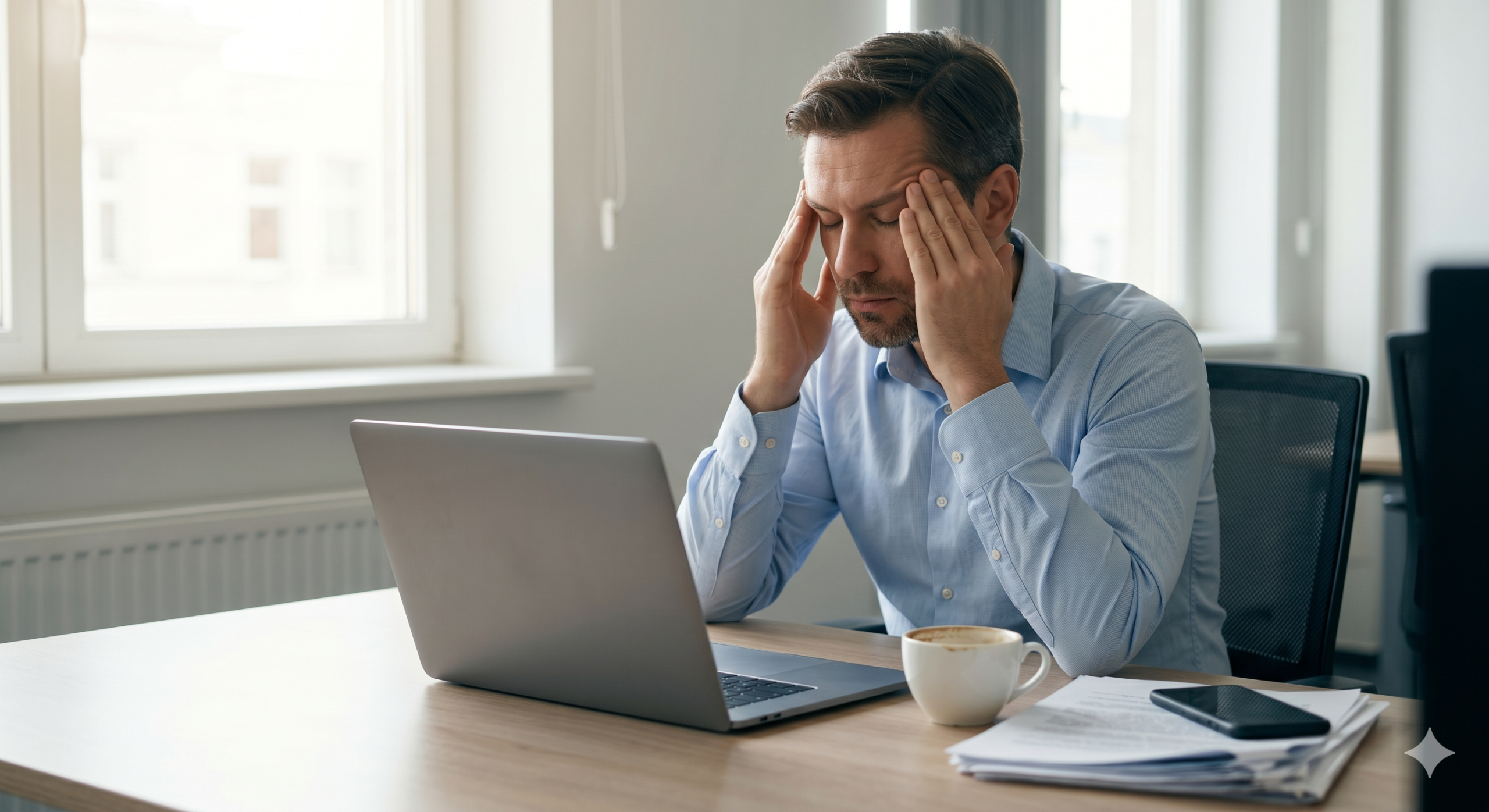
Sleepiness vs. Fatigue?
In today’s fast-paced world, complaining about being tired is almost a universal greeting. Whether you are navigating the morning commute in Kuala Lumpur, managing a demanding household, or working late into the night, feeling drained is incredibly common. But when does being “tired” cross the line from a normal reaction to a busy lifestyle into a medical condition that requires intervention?
When patients visit an Ear, Nose, and Throat (ENT) or sleep clinic complaining of exhaustion, the very first thing a specialist must do is determine exactly what kind of tired they are experiencing. In the medical world, there is a profound difference between sleepiness vs fatigue (fatigability).
While they feel remarkably similar to the person suffering from them, they are caused by entirely different mechanisms within the body and require completely different treatments. Confusing the two can lead to years of misdiagnosis, frustration, and a declining quality of life.
In this comprehensive guide, we will break down the fundamental differences between the sleepiness that arises from obstructive sleep apnea (OSA) and the heavy, draining sensation of clinical fatigue. We will explore how to identify your specific symptoms, the medical steps required to diagnose them, and the most effective treatments available to help you reclaim your energy and your life.
What is Excessive Daytime Sleepiness (EDS)?
Sleepiness is a physiological drive. It is your brain and body’s biological command telling you that you need to sleep right now.
While everyone feels sleepy at bedtime or after pulling an all-nighter, Excessive Daytime Sleepiness (EDS) occurs when this overwhelming urge to sleep invades your waking hours, despite you believing you had a full night’s rest.
The Role of Sleep Apnea in Sleepiness
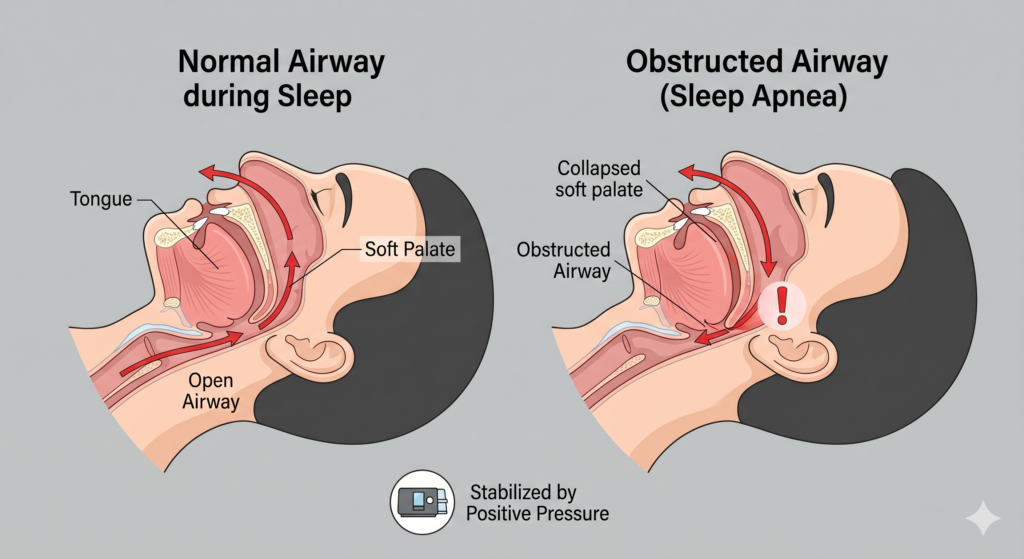
The most common medical culprit behind severe daytime sleepiness is Obstructive Sleep Apnea (OSA). Sleep apnea is a serious sleep disorder where the muscles in the back of the throat relax too much during sleep, causing the airway to collapse or become blocked.
When your airway collapses, your blood oxygen levels drop. Your brain panics, sensing that you are suffocating, and triggers a “micro-arousal”—a tiny, brief awakening just enough to make you gasp or snort, forcing the airway open so you can breathe again.
The insidious part of sleep apnea is that these micro-arousals can happen 30, 50, or even 100 times an hour, but they are so brief that you won’t remember waking up. You might spend 8 hours in bed and think you slept the whole time, but your brain never actually reached the deep, restorative stages of REM (Rapid Eye Movement) sleep.
Symptoms of Sleepiness Driven by Sleep Apnea
If your exhaustion is driven by sleep apnea, your symptoms will likely include:
- Nodding off easily: You easily fall asleep in sedentary situations, such as sitting in a waiting room, watching a movie, reading a book, or dangerously, while stopped at a red light in traffic.
- Unrefreshing sleep: You wake up feeling just as tired as when you went to bed.
- Morning headaches: Caused by poor oxygen flow to the brain and high carbon dioxide levels during the night.
- Loud, chronic snoring: Often accompanied by witnessed gasping or choking sounds during sleep (usually reported by a terrified bed partner).
- Brain fog and poor memory: Your brain is essentially chronically sleep-deprived, making concentration incredibly difficult.
What is Fatigability (Fatigue)?
While sleepiness is the biological urge to sleep, fatigue is a profound lack of physical or mental energy. It is a feeling of being completely “drained,” “burnt out,” or “running on empty.”
Crucially, people suffering from fatigue do not necessarily feel the urge to fall asleep during the day. In fact, many people with chronic fatigue also suffer from insomnia—they are completely exhausted, but their brains are wired, and they cannot sleep when they lie down.
The Mechanisms Behind Fatigue
Fatigue is rarely caused by breathing issues during sleep. Instead, it is usually tied to systemic health issues, lifestyle factors, or mental health struggles. Common causes include:
- Anemia: A lack of healthy red blood cells to carry adequate oxygen to your body’s tissues.
- Thyroid Disorders: Hypothyroidism (an underactive thyroid) dramatically slows down your metabolism, leading to heavy, sluggish exhaustion.
- Mental Health Conditions: Depression, severe anxiety, and chronic stress or burnout consume massive amounts of neurological energy, leaving you physically wiped out.
- Nutritional Deficiencies: Low levels of Vitamin D, Vitamin B12, or iron.
- Chronic Illnesses: Conditions like fibromyalgia, autoimmune diseases, or post-viral fatigue (such as Long COVID).
Symptoms of Fatigue
If you are dealing with true fatigability, your symptoms will likely present as:
- Physical heaviness: Your limbs feel like lead. Walking up a flight of stairs feels like running a marathon.
- Lack of motivation: You lack the drive or mental energy to initiate tasks, even things you usually enjoy.
- Post-exertional malaise: You feel completely wiped out for days after doing mild physical or mental work.
- Inability to nap: Even though you feel desperately exhausted, if you lie down on the couch in the middle of the afternoon, you cannot easily drift off to sleep.
The Core Differences: Sleepiness vs. Fatigue
To help determine which condition you are suffering from, medical professionals often use specialized questionnaires, such as the Epworth Sleepiness Scale. However, you can do a quick self-assessment at home using the “Couch Test.”
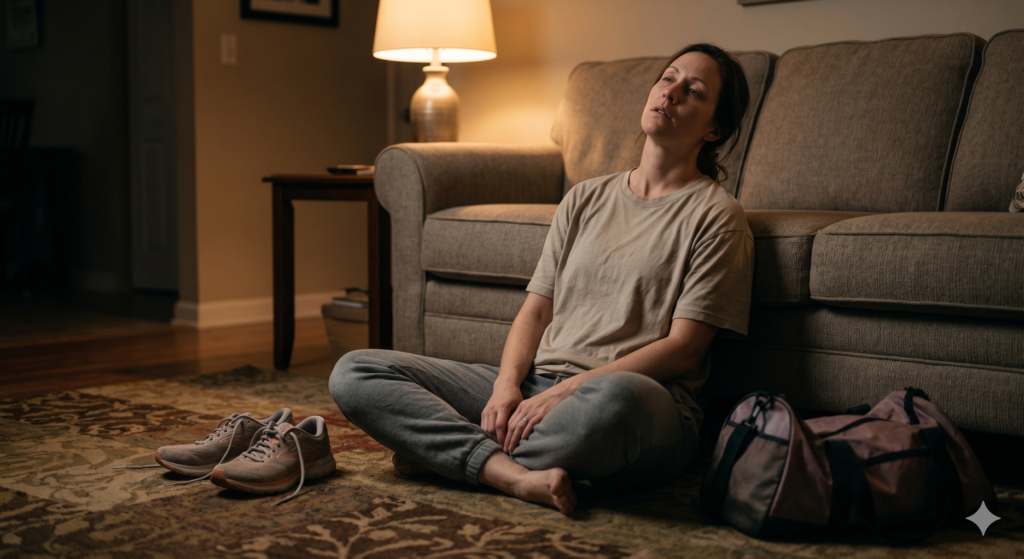
Imagine it is 3:00 PM on a Sunday. You sit down on a very comfortable couch in a quiet, slightly darkened living room to read a book.
- The Sleepiness Response: Within 5 to 10 minutes, your eyelids become impossibly heavy. Your head bobs, the book drops from your hands, and you fall fast asleep. (Indicator of Sleep Apnea/EDS).
- The Fatigue Response: You lie back on the cushions. Your body aches, and you feel incredibly grateful to be off your feet. You might close your eyes to rest them, but your mind keeps wandering. You don’t actually fall asleep; you just lie there resting because you lack the energy to get back up. (Indicator of Fatigue).
According to the Sleep Foundation, understanding this distinction is the first critical step toward getting the right medical help.
Diagnosing the Root Cause of Your Exhaustion
Because the treatments for sleepiness and fatigue are so different, an accurate medical diagnosis is paramount. You should never try to self-diagnose severe exhaustion.
Diagnosing Sleep Apnea (Sleepiness)
If your symptoms align with excessive daytime sleepiness and you suspect sleep apnea, the gold standard for diagnosis is a Polysomnography (Sleep Study). A sleep study can be conducted in a clinical sleep lab or via an at-home sleep test kit prescribed by an ENT specialist. During the study, sensors will monitor your brain waves, blood oxygen levels, heart rate, and breathing patterns throughout the night. This will definitively tell the doctor if you are experiencing airway blockages and how severe they are.
Diagnosing Fatigue
If your symptoms align more with general fatigability, the diagnostic process usually begins with a comprehensive physical exam and blood work. Your GP or internal medicine doctor will likely run a full blood count, check your thyroid hormone levels (TSH), test your iron and ferritin levels, and evaluate your vitamin D and B12 markers to identify any systemic deficiencies or hidden illnesses.
Treatment Options for Sleep Apnea-Induced Sleepiness
If a sleep study confirms that Obstructive Sleep Apnea is the thief stealing your energy, the good news is that the condition is highly treatable. Once the airway is stabilized during sleep, patients often report feeling like a “new person” within just a few weeks.
1. CPAP Therapy (Continuous Positive Airway Pressure)
CPAP is the most common and effective non-surgical treatment for OSA. It involves wearing a small mask over your nose (or nose and mouth) while you sleep. The CPAP machine delivers a gentle, continuous stream of pressurized room air into your throat, acting as an “air splint” that keeps your airway open. Without blockages, your brain can finally enter deep, restorative REM sleep.
2. ENT Surgery
If you cannot tolerate a CPAP machine, or if your sleep apnea is caused by a very specific, fixable anatomical issue, an ENT surgeon may recommend surgical intervention. Procedures might include:
- Tonsillectomy/Adenoidectomy: Removing massive tonsils that are physically blocking the throat (very common in children and young adults).
- Septoplasty: Straightening a deviated septum in the nose to improve nasal airflow.
- UPPP (Uvulopalatopharyngoplasty): A surgery to remove excess tissue from the soft palate and pharynx to widen the airway.
3. Oral Appliances
For mild to moderate sleep apnea, a dentist specializing in sleep medicine can craft a custom-fitted oral appliance. Similar to a mouthguard, this device gently pushes your lower jaw forward, preventing your tongue from falling back and blocking your throat.
4. Lifestyle Modifications
Weight management plays a massive role in sleep apnea. Excess fatty tissue around the neck can compress the airway. For many overweight patients, losing even 10% of their body weight can dramatically reduce or even eliminate sleep apnea symptoms.
Treatment Options for General Fatigability
Treating fatigue requires a completely different approach. Because fatigue is a symptom of an underlying issue rather than a disease itself, treatment focuses on resolving the root cause.
1. Medical Interventions
If your blood tests reveal a physiological issue, treatment is straightforward. Iron supplements or dietary changes can reverse anemia. Synthetic thyroid hormones (like Levothyroxine) can jumpstart an underactive thyroid. Correcting vitamin D and B12 deficiencies with targeted, high-dose supplements can lift the heavy fog of exhaustion within weeks.
2. Mental Health and Stress Management
If your fatigue is driven by severe stress, burnout, or depression, medical intervention may involve cognitive behavioral therapy (CBT), psychiatric evaluation, or the use of antidepressant/anti-anxiety medications. Managing your mental energy is just as important as managing your physical energy.
3. Lifestyle and Pacing
For chronic fatigue syndrome or post-viral fatigue, learning to “pace” yourself is a vital treatment strategy. This involves understanding your daily energy envelope and carefully planning your activities to avoid “crashing.” Gentle, progressive physical conditioning (like yoga or light swimming) can slowly rebuild physical stamina, while aggressive, high-intensity workouts might actually make the fatigue much worse.
When to See a Doctor

If you are waking up exhausted every day, relying on multiple cups of coffee just to function, or struggling to stay awake during important tasks, it is time to seek professional help. Do not accept exhaustion as a normal part of aging or adult life.
If you suspect your breathing is compromised at night, or if a loved one has told you that you snore loudly and gasp for air, book a consultation with an ENT and Sleep Specialist today. Identifying the true difference between sleepiness and fatigue is the first step toward getting your life, your health, and your energy back.
Frequently Asked Questions (FAQs)
Can I have both sleep apnea and fatigue at the same time?
Absolutely. In fact, it is quite common. Severe sleep apnea places a massive amount of physical stress on the body, which can lead to systemic fatigue. Furthermore, a person might have sleep apnea alongside an unrelated condition like a thyroid disorder. This is why a comprehensive medical evaluation is necessary to treat all root causes.
Will sleeping pills cure my daytime sleepiness?
No. If your daytime sleepiness is caused by sleep apnea, sleeping pills are actually dangerous. Sleeping pills relax the central nervous system and muscle tone. This can cause your airway muscles to collapse even more severely during the night, worsening your sleep apnea and oxygen deprivation.
Does snoring automatically mean I have sleep apnea?
No. Many people snore without having sleep apnea (this is known as primary snoring). However, loud, disruptive snoring is the number one warning sign of OSA. If your snoring is accompanied by gasping, daytime sleepiness, or morning headaches, a sleep study is highly recommended.
How long does it take to feel better after starting CPAP therapy?
This varies from person to person. Some people feel a miraculous difference after their very first night on a CPAP machine. For others, it takes a few weeks to adjust to wearing the mask and for the brain to recover from years of chronic sleep deprivation. Consistency is key.
Are there specific blood tests for sleep apnea?
There is no blood test that can diagnose sleep apnea. Blood tests are used to diagnose the causes of fatigue (like anemia or thyroid issues). Sleep apnea must be diagnosed by measuring breathing and brain activity during sleep via a polysomnography.
Discover more from The ENT Doctor
Subscribe to get the latest posts sent to your email.
Comments are closed