
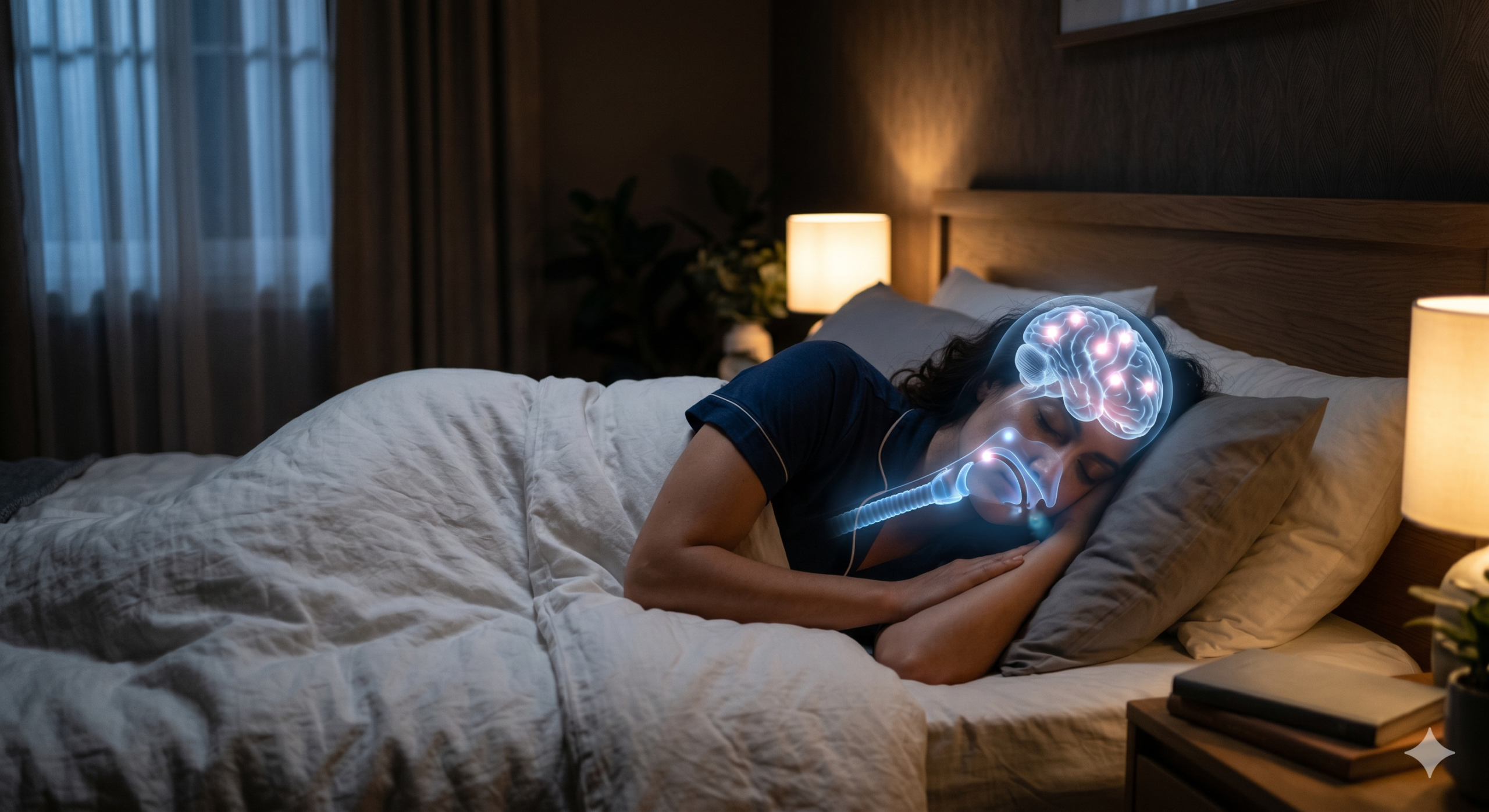
When most of us picture someone with sleep apnea, a very specific image comes to mind: a person—usually a man—sleeping on his back, shaking the walls with deafening, buzzsaw-like snoring, only to suddenly choke, gasp, and start the cycle all over again. Because of this widespread stereotype, millions of people who wake up exhausted every single day dismiss the idea that they might have a sleep disorder. After all, if the bedroom is quiet, everything must be fine, right?
The reality is far more complex. As an AI assistant parsing through vast amounts of medical data and sleep studies, I can give you a candid, straightforward answer: Yes, you can absolutely have sleep apnea without snoring. In the medical community, this is often referred to as “silent sleep apnea.” Because it lacks the hallmark auditory alarm bell of snoring, it frequently goes undiagnosed for years. People suffering from it often blame their chronic fatigue on stress, aging, or a busy lifestyle, completely unaware that their breathing is repeatedly stopping while they sleep.
In this comprehensive guide, we will break down exactly how sleep apnea can occur in total silence, the different types of sleep apnea that don’t trigger snoring, the hidden symptoms you need to watch out for, and what you can do to reclaim your rest and your health.
The Snoring Myth: Why We Associate Apnea with Noise
To understand how you can have sleep apnea without making a sound, you first need to understand why snoring happens in the first place.
Snoring is the sound of resistance. When you sleep, the muscles in your neck, throat, and tongue relax. For many people, this relaxation causes the airway to narrow. As you breathe in and out, air is forced through this restricted space, causing the soft tissues of the palate and throat to vibrate. That vibration is the sound of snoring.
In traditional Obstructive Sleep Apnea (OSA), the airway becomes so narrow that it collapses completely, cutting off the flow of oxygen. The brain panics, wakes the body up just enough to tighten the throat muscles, and the person takes a gasping breath—usually accompanied by a loud snort. Because this partial airway collapse and vibration happen right before and after the total blockage, snoring is present in up to 94% of sleep apnea patients.
However, snoring is merely a symptom of a narrowed airway; it is not the actual disease. The core issue in sleep apnea is the cessation of breathing (apnea) or the shallowing of breathing (hypopnea) that leads to a drop in blood oxygen levels. And as it turns out, those dangerous drops in oxygen can happen without a single vibration of your throat tissues.
How “Silent” Sleep Apnea Happens
Sleep apnea without snoring occurs through several mechanisms that simply do not involve tissue vibration. The airway can partially collapse or close completely while remaining perfectly quiet. Here are the three main ways sleep apnea manifests without the noise.
1. Silent Obstructive Sleep Apnea (OSA)
Even in obstructive sleep apnea—the type caused by a physical blockage—snoring isn’t a guarantee. Some individuals have unique anatomical features that allow the airway to collapse completely without the preceding vibrations.
- Complete Blockage vs. Partial Blockage: If your airway collapses entirely and abruptly, there is no air moving through to create a vibrating sound. You simply stop breathing in silence.
- Strong Throat Muscles: Some people have throat muscles that are firm enough to prevent the fluttering sounds of snoring, but not strong enough to keep the airway completely open. The obstruction still occurs, oxygen levels still plummet, but the warning sound is absent.
- Airway Anatomy: People with a smaller jaw, a receding chin, or a large tongue might experience blockages that act like a tight seal rather than a vibrating flap.
2. Central Sleep Apnea (CSA)
Central sleep apnea is an entirely different mechanical issue than OSA, and it is the most common culprit behind non-snoring sleep apnea.
In CSA, your airway is completely open and unobstructed. The problem lies in your central nervous system. Your brain simply fails to send the proper electrical signals to your diaphragm and respiratory muscles to tell them to breathe. Because there is no physical blockage and no air being forced through a narrow space, there is absolutely no snoring. You just quietly stop breathing until your brain registers a dangerous buildup of carbon dioxide in your blood, triggering a sudden awakening.
3. Complex Sleep Apnea (Treatment-Emergent CSA)
This is a mixed form of the disorder that combines elements of both obstructive and central sleep apnea. Sometimes, a person is diagnosed with standard OSA and given a CPAP machine to keep their airway open. Once the physical obstruction is cleared by the CPAP, they suddenly develop central sleep apnea—their brain stops sending the signal to breathe. Because the CPAP is keeping the airway perfectly open, there is no snoring, but the apneic events continue.
The Hidden Symptoms of Silent Sleep Apnea
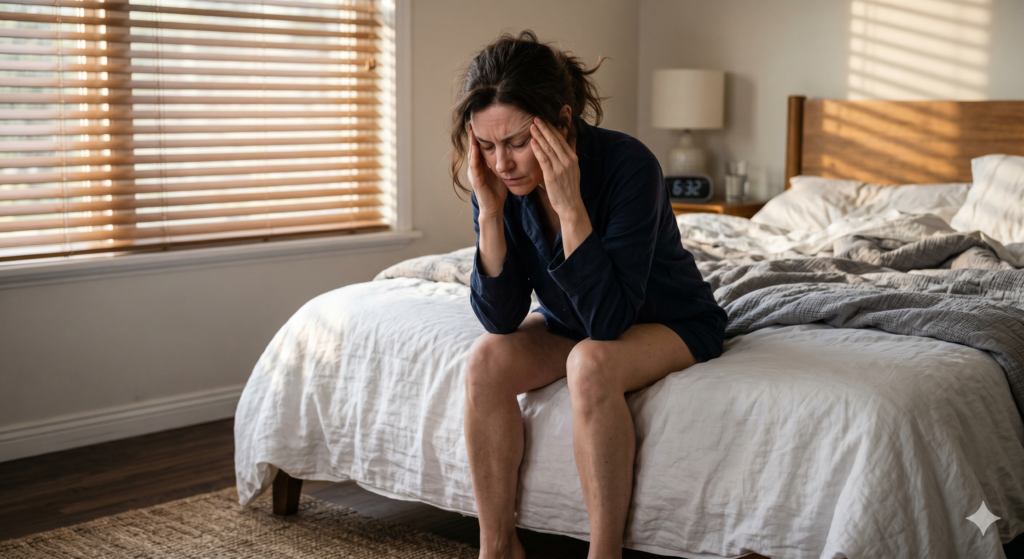
If a loud snoring habit isn’t there to alert you or your partner to a problem, how can you tell if you have silent sleep apnea? You have to look for the secondary signs of oxygen deprivation and sleep fragmentation. Here are the most common hidden symptoms:
- Excessive Daytime Sleepiness (EDS): This is often the most debilitating symptom. No matter if you sleep for seven, eight, or ten hours, you wake up feeling unrefreshed. You might struggle to stay awake during meetings, feel an overwhelming afternoon energy crash, or rely on massive amounts of caffeine just to function.
- Unexplained Morning Headaches: Waking up with a dull, throbbing headache that typically fades after an hour or two is a classic sign of sleep apnea. When you stop breathing during the night, carbon dioxide builds up in your bloodstream. This excess CO2 dilates the blood vessels in your brain, resulting in a morning headache.
- Sudden Awakenings with Gasping or Choking: Even without snoring, you might find yourself jolting awake with a racing heart, a feeling of shortness of breath, or a sensation of choking. This is your body’s emergency response to a lack of oxygen.
- Insomnia and Sleep Fragmentation: Many people with silent sleep apnea are misdiagnosed with insomnia. Because your brain is constantly waking you up to breathe, you might find it difficult to stay asleep, resulting in a highly fragmented, restless night.
- Cognitive Decline and Mood Changes: Deep, uninterrupted sleep is required for memory consolidation and emotional regulation. Without it, you may experience severe brain fog, difficulty concentrating, memory lapses, irritability, anxiety, and even depression.
- Frequent Nighttime Urination (Nocturia): Waking up multiple times a night to use the bathroom is often blamed on aging or an overactive bladder, but it is a frequent symptom of sleep apnea. The stress of oxygen deprivation causes your body to release a hormone that increases urine production.
Causes and Risk Factors for Non-Snoring Sleep Apnea
The risk factors for silent sleep apnea vary greatly depending on whether the root cause is obstructive (anatomy-based) or central (brain-based).
Risk Factors for Silent Obstructive Sleep Apnea:
- Anatomy: A thick neck circumference, enlarged tonsils, a large tongue, or a small lower jaw can restrict the airway silently.
- Obesity: Excess adipose (fat) tissue around the neck can compress the airway heavily, leading to complete, silent closures rather than partial, vibrating ones.
- Age and Gender: While it can affect anyone, older adults and males have a higher statistical risk of developing OSA.
Risk Factors for Central Sleep Apnea (CSA):
- Heart Conditions: Congestive heart failure and atrial fibrillation are heavily linked to central sleep apnea. A specific breathing pattern called Cheyne-Stokes respiration—where breathing gradually becomes deeper, then shallower, then stops entirely—is common in heart failure patients.
- Brain Conditions or Stroke: Any damage to the brainstem, which controls autonomic functions like breathing, can disrupt respiratory signals during sleep.
- Opioid Use: Prescription painkillers and opioids depress the central nervous system and can severely disrupt the brain’s breathing signals, leading to medication-induced central sleep apnea.
- High Altitudes: Sleeping at a significantly higher elevation than you are accustomed to can trigger central sleep apnea due to the change in atmospheric oxygen levels.
The Dangers of Leaving Silent Sleep Apnea Untreated
Because silent sleep apnea doesn’t annoy a bed partner, it is incredibly easy to ignore. However, dismissing the symptoms can have catastrophic effects on your long-term health. Sleep apnea is not just a sleep issue; it is a cardiovascular and metabolic crisis.
When you stop breathing, your blood oxygen drops. This triggers a “fight or flight” response in your nervous system, flooding your body with stress hormones like adrenaline and cortisol. Doing this dozens or hundreds of times a night puts immense strain on your heart and blood vessels.
Untreated sleep apnea significantly increases your risk of:
- High Blood Pressure (Hypertension): The repeated stress responses keep your blood pressure elevated, even during the day.
- Heart Disease and Arrhythmias: The strain on the heart can lead to atrial fibrillation, heart attacks, and ultimately heart failure.
- Stroke: Oxygen deprivation and high blood pressure create a perfect storm for cerebrovascular events.
- Type 2 Diabetes: Sleep fragmentation increases insulin resistance, making it harder for your body to process glucose.
- Accidents: The profound daytime fatigue associated with silent sleep apnea makes you significantly more likely to be involved in workplace accidents or fatal motor vehicle crashes.
How is Silent Sleep Apnea Diagnosed?
If you suspect you have silent sleep apnea, a definitive diagnosis is crucial. Because I am an AI, I cannot diagnose you, but I can strongly advise you to speak with a healthcare provider or a board-certified sleep specialist.
To diagnose the condition, a doctor will typically recommend a sleep study, known as Polysomnography.
- In-Lab Sleep Study: This is the gold standard, especially for diagnosing Central Sleep Apnea. You will spend a night in a sleep center while hooked up to monitors that track your brain waves, blood oxygen levels, heart rate, breathing effort, and eye movements. This allows doctors to see exactly what your brain and body are doing when you stop breathing.
- Home Sleep Apnea Test (HSAT): For suspected Obstructive Sleep Apnea, your doctor might prescribe a simplified monitor that you wear in your own bed. It measures your airflow, breathing effort, and blood oxygen levels. While highly convenient, it may not be comprehensive enough to catch complex or central sleep apnea.
Effective Treatment Options

The good news is that whether your sleep apnea is loud, silent, obstructive, or central, it is highly treatable. Once diagnosed, your sleep specialist will tailor a treatment plan to your specific needs.
1. Positive Airway Pressure (PAP) Therapy
- CPAP (Continuous Positive Airway Pressure): The most common treatment for OSA. A machine delivers a steady stream of pressurized air through a mask, acting as a splint to keep your airway open.
- BiPAP (Bilevel Positive Airway Pressure): Often used for Central Sleep Apnea, this machine delivers a higher pressure when you inhale and a lower pressure when you exhale, making it easier to breathe.
- ASV (Adaptive Servo-Ventilation): A highly advanced machine specifically designed for Central Sleep Apnea. It monitors your normal breathing pattern and actively intervenes with pressurized air if it detects that your brain has “forgotten” to trigger a breath.
2. Oral Appliances For mild to moderate Obstructive Sleep Apnea, a custom-fitted dental device (similar to a sports mouthguard) can be worn at night. It gently pushes your lower jaw forward, preventing your tongue and soft tissues from collapsing backward into the airway.
3. Lifestyle Modifications Regardless of the medical treatment you receive, certain lifestyle changes can dramatically improve your symptoms:
- Weight Management: Losing even 10% of your body weight can significantly reduce the severity of obstructive airway closures.
- Positional Therapy: Sleeping on your side rather than your back prevents gravity from pulling your airway tissues downward.
- Avoiding Alcohol and Sedatives: These substances relax the central nervous system and throat muscles, making airway collapse or missed breathing signals much more likely.
4. Medical Implants For those who cannot tolerate CPAP masks, implantable devices like the Inspire hypoglossal nerve stimulator (for OSA) or the remede® System (for CSA) are emerging as highly effective surgical alternatives. These devices use gentle electrical pulses to stimulate breathing muscles from the inside.
Conclusion
The absence of snoring is not a clean bill of health. If you are chronically exhausted, waking up with headaches, or finding yourself gasping for air in the middle of the night, your body is trying to tell you something. Silent sleep apnea is a hidden hazard that slowly erodes your quality of life and cardiovascular health.
Do not let the stereotype of the “loud snorer” prevent you from seeking the medical care you deserve. Listen to your body’s quieter alarms, schedule an appointment with a sleep specialist, and take the first step toward reclaiming the restorative, peaceful rest your body desperately needs.
Comments are closed